
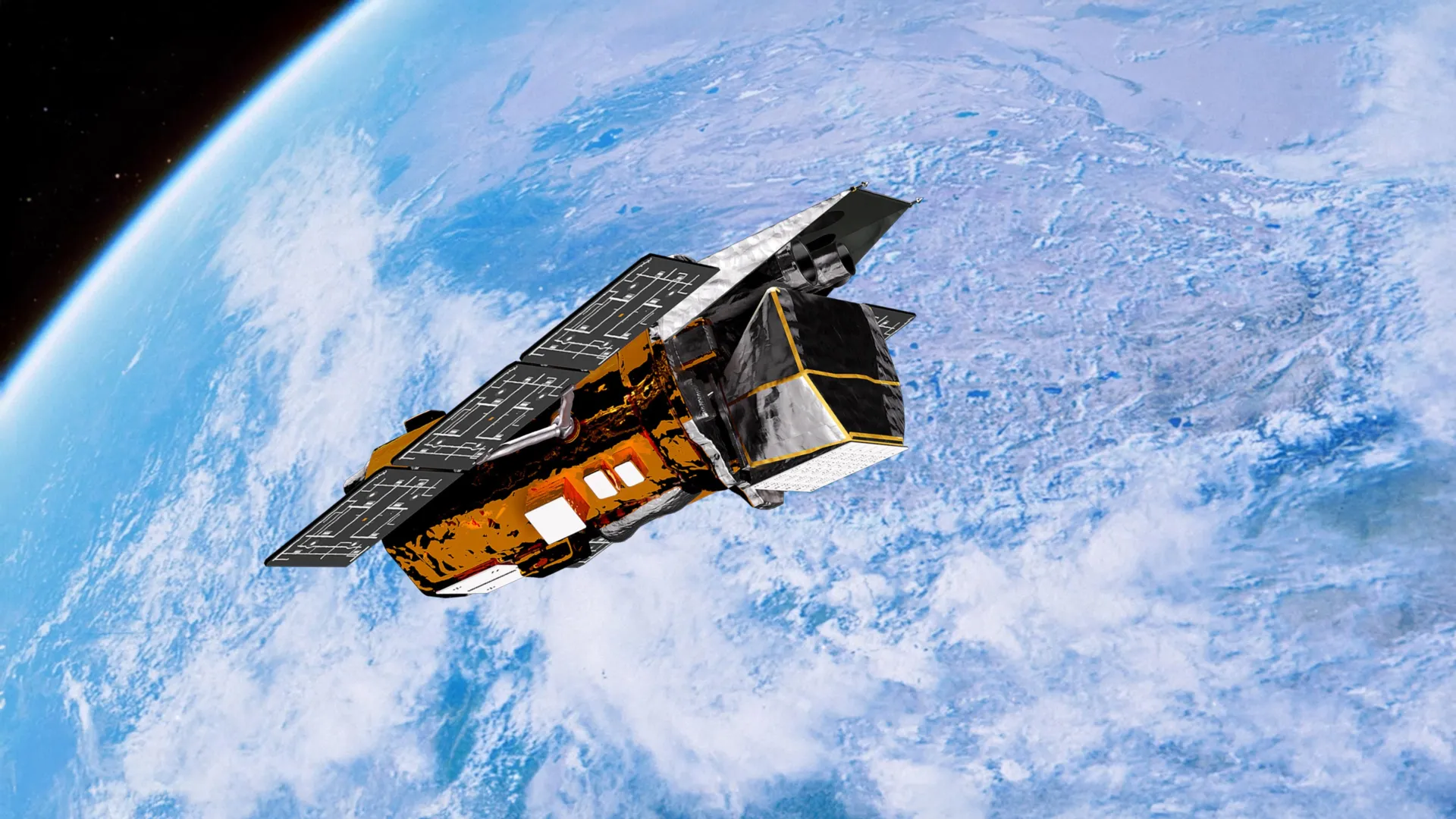
NASA’s Swift telescope falls to Earth after nearly 22 years in space
NASA’s Swift telescope re-entered Earth’s atmosphere after nearly 22 years in space, ending a mission that greatly expanded our understanding of cosmic explosions and other astronomical phenomena. It was originally designed to last just two years but operated for over ten times longer than planned. The telescope was able to detect various types of light and quickly respond to sudden cosmic events.
NASA’s Swift telescope re-entered Earth’s atmosphere after a 22-year mission, far exceeding its original two-year design. It was used to study powerful cosmic events like gamma-ray bursts, black holes, and exploding stars. Most of the telescope burned up during re-entry, though some parts may have survived.
The mission provided critical data that advanced our knowledge of the universe, including how black holes and stars behave. Its long lifespan allowed scientists to make discoveries that would not have been possible with a shorter mission. The data collected will continue to inform future research and space exploration.
The story highlights the value of long-term scientific missions and the unexpected benefits they can bring. It shows how space exploration can lead to new understanding and inspire future discoveries. The mission’s success reflects the dedication of scientists and engineers who made it possible.
upbeatBytes summarizes in its own words and links to the original publisher — it doesn't host the article.