
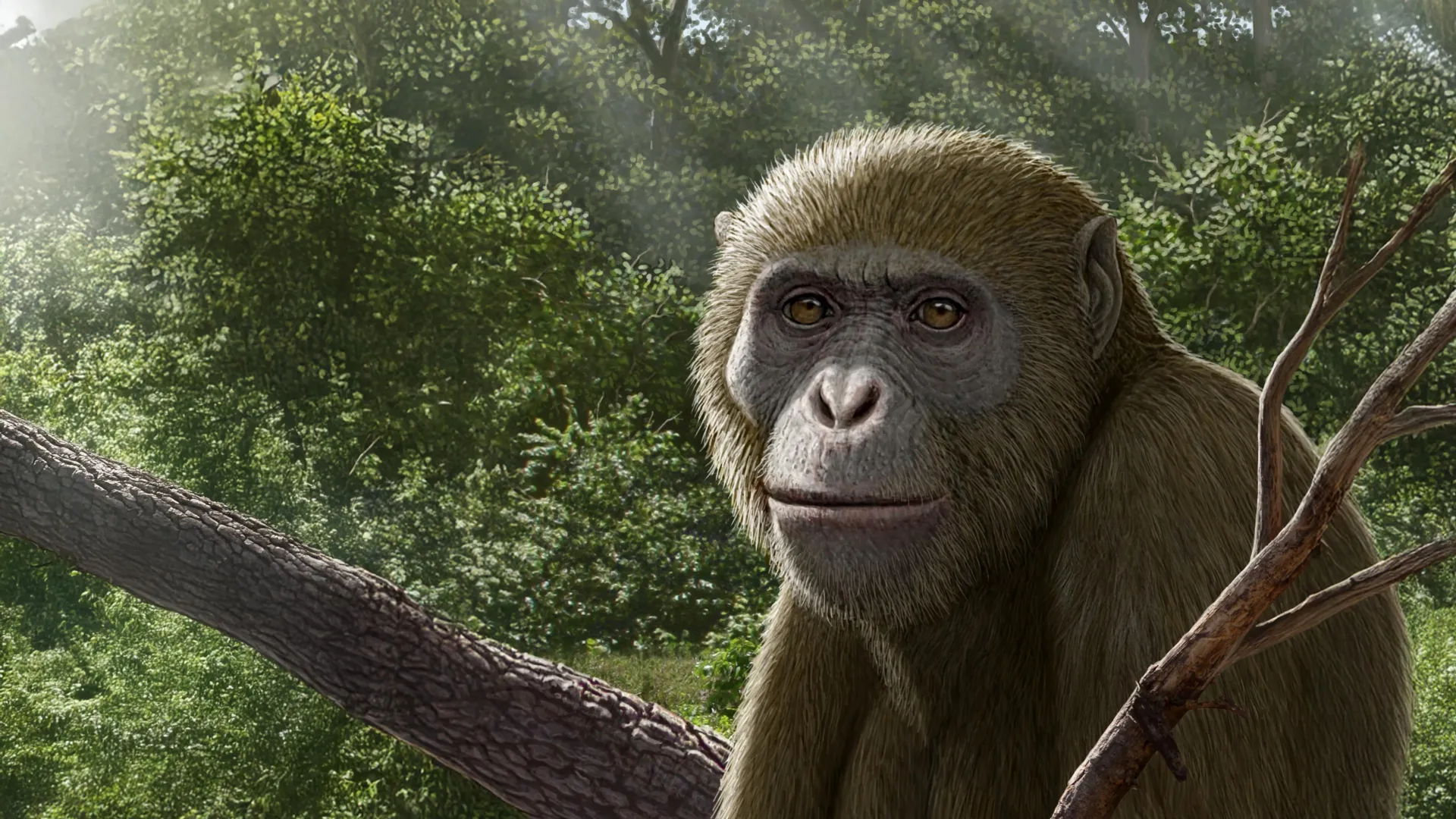
Ancient ape fossil in Egypt could rewrite the story of human origins
A 17- to 18-million-year-old ape fossil found in Egypt challenges previous ideas about where human and modern ape ancestors first evolved. The fossil, named Masripithecus moghraensis, suggests that North Africa and the Middle East may have been key to ape evolution, not just East Africa. The discovery fills a gap in the evolutionary record and changes long-held scientific views.
A 17- to 18-million-year-old ape fossil was found in Egypt, indicating that early apes may have evolved in North Africa rather than East Africa. The fossil, named Masripithecus moghraensis, is the first definitive ape fossil found in North Africa.
The discovery changes the understanding of where human and ape evolution began, suggesting a broader geographic range for early apes. It helps fill gaps in the evolutionary timeline and could lead to new research in North Africa.
The find highlights the importance of exploring new regions for ancient fossils and shows how scientific understanding can evolve with new evidence. It offers a fresh perspective on human origins and the history of life on Earth.
upbeatBytes summarizes in its own words and links to the original publisher — it doesn't host the article.