
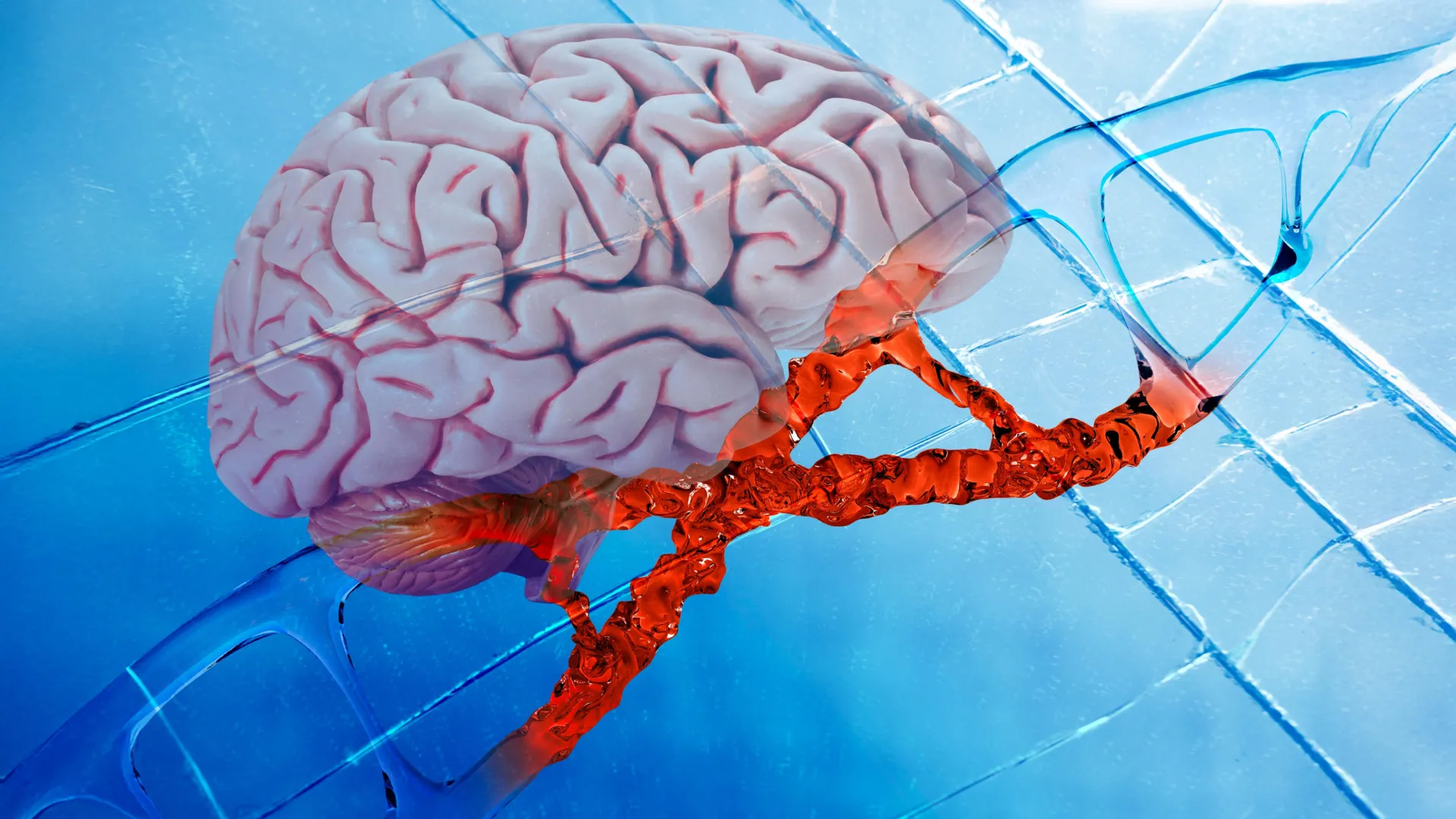
Scientists discover new Alzheimer’s drug that repairs DNA damage and reduces brain inflammation
Scientists at King's College London have found that a drug originally made for spinal cord injuries may help treat Alzheimer's by repairing DNA damage and reducing brain inflammation. The drug, KCL-286, has passed early safety tests in humans and could speed up the development of new Alzheimer's treatments. It targets multiple aspects of the disease, not just the buildup of harmful proteins.
A drug developed for spinal cord injuries shows potential for treating Alzheimer's by repairing DNA and reducing brain inflammation. It has passed early safety tests in humans and may offer a new approach to tackling the disease.
This discovery could lead to faster development of treatments that address multiple causes of Alzheimer's, offering hope for more effective care as the disease is complex and hard to treat.
The drug's early success in human trials and its potential to target multiple disease factors provide a grounded sense of progress in the fight against Alzheimer's.
upbeatBytes summarizes in its own words and links to the original publisher — it doesn't host the article.