
ESA And JAXA's Planetary Defense Mission Powers On For The First Time
A joint mission between the European Space Agency and Japan's space agency has successfully powered on its core module for the first time. The mission, called Ramses, aims to observe the close approach of the asteroid Apophis in 2029. The project is moving quickly, with a tight timeline to build, test, and launch the spacecraft.
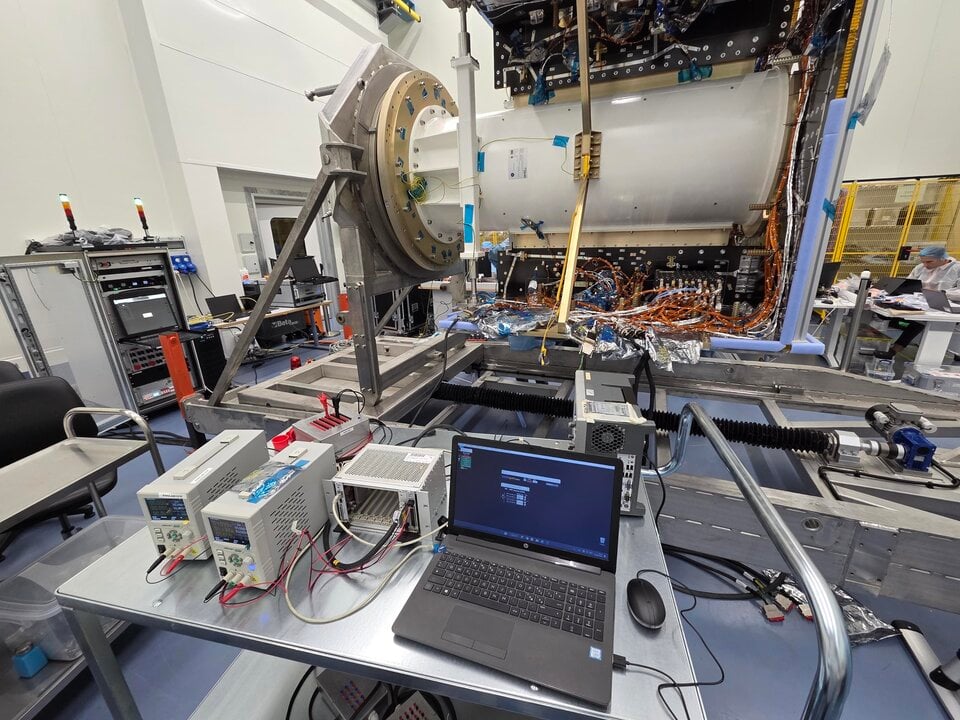
The core module of the Ramses mission was turned on for the first time, marking a key milestone in the project. The mission is designed to study the asteroid Apophis as it passes close to Earth in 2029. The spacecraft is being built in two parts and will be tested extensively before launch.
The mission is important for understanding how to monitor and respond to near-Earth objects. It also shows how space agencies can work together and move quickly to address potential threats. The project highlights the importance of preparation and international collaboration in space safety.
The mission represents a proactive effort to protect Earth and educate the public about space risks. It demonstrates how science and engineering can work together to address real-world challenges. The progress made so far shows the potential for successful space exploration and planetary defense.
upbeatBytes summarizes in its own words and links to the original publisher — it doesn't host the article.