
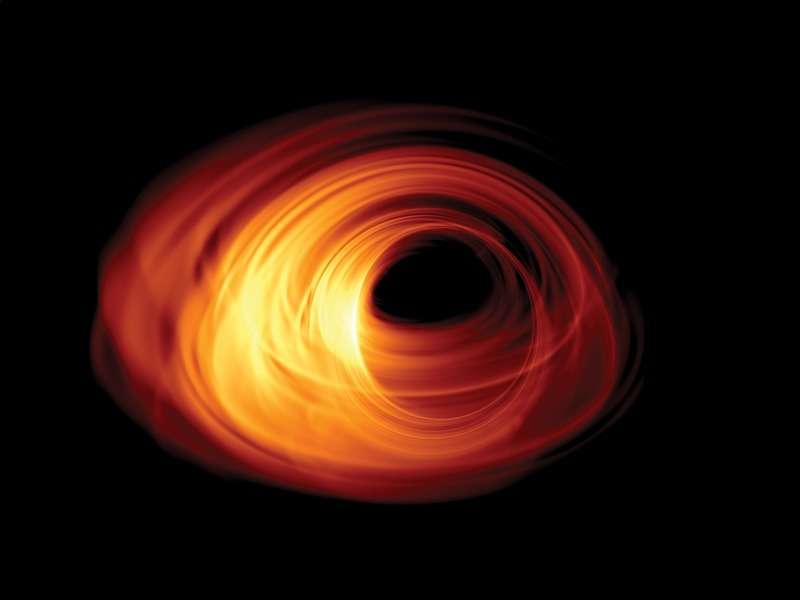
Researchers Measure the Environment Where the First Supermassive Black Holes Formed
Scientists used the James Webb Space Telescope to study the early universe and found evidence of supermassive black hole seeds forming in dense cosmic regions. They explored how dark matter mergers and gas-rich areas might have helped these black holes form quickly. The research suggests these black holes could have formed as early as 500 million years after the Big Bang.
Researchers studied the early universe and found that supermassive black holes may have formed from dense gas clouds in regions with lots of dark matter and gas. They used simulations and observations to understand how these black holes could have formed so quickly.
Understanding how supermassive black holes formed helps explain the early universe and the evolution of galaxies. It also challenges existing theories and opens new ways to study cosmic history.
The research shows how scientists are uncovering the origins of massive structures in the universe, offering insights into the forces that shaped the cosmos and our place within it.
upbeatBytes summarizes in its own words and links to the original publisher — it doesn't host the article.