
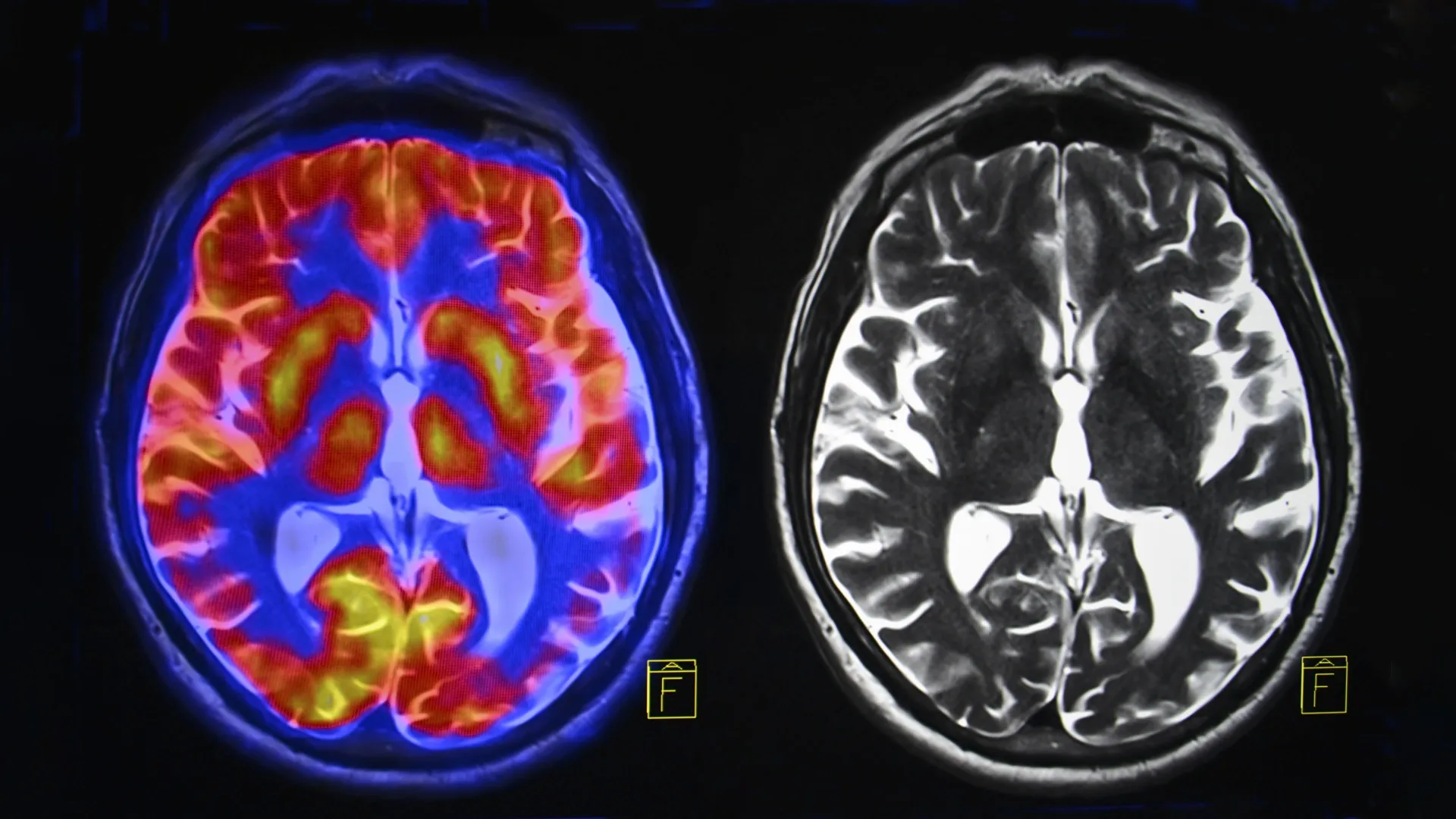
Brain scans reveal two distinct types of autism
A study using brain scans and genetic models identified two distinct biological subtypes of autism, characterized by either increased or decreased communication between brain regions. Researchers combined data from over 900 autistic individuals with findings from genetically engineered mice to link these subtypes to specific molecular processes. This discovery may lead to more personalized treatments and diagnostic approaches for autism. The findings were published in Nature Neuroscience and involved collaboration between multiple international institutions.
Scientists have identified two distinct brain-based subtypes of autism, one with increased brain connectivity and one with reduced connectivity.
This discovery could lead to more personalized treatments and better understanding of autism's biological causes.
It highlights the power of combining human brain scans with animal models to uncover hidden patterns that improve health outcomes.
upbeatBytes summarizes in its own words and links to the original publisher — it doesn't host the article.