
Scientists Are Starting To Understand The 'Largest Biomechanical Event on Earth': Whales Hunting For Food on a Single Breath
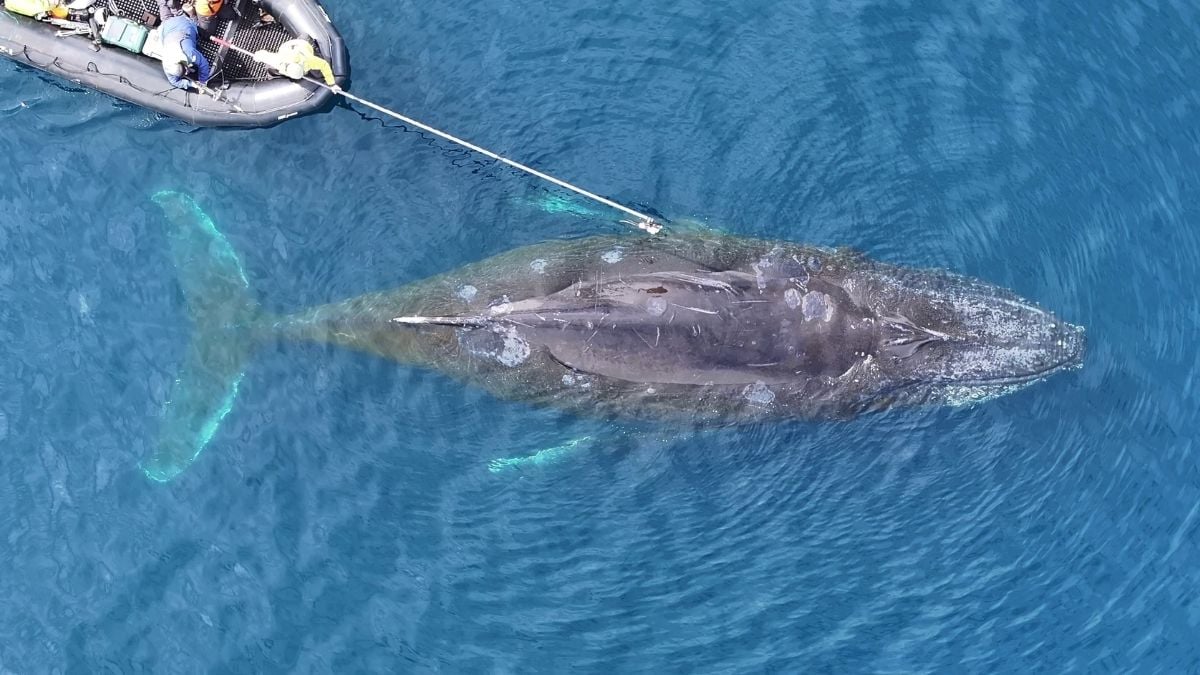
Scientists have discovered that blue and humpback whales adjust their heart rates flexibly during dives, slowing to conserve oxygen and increasing during high-energy lunges to capture prey. This finding sheds light on how these massive animals manage extreme physical exertion while minimizing oxygen use. The research involved tagging whales with specialized sensors to monitor heart rate and movement, revealing insights into their unique physiological adaptations. The study highlights the remarkable efficiency of whales' diving and feeding strategies.
Scientists have studied how blue and humpback whales adjust their heart rates during deep dives to hunt for food.
Understanding this process helps explain how these animals survive extreme oxygen challenges and could inform research on human physiology and conservation.
This research highlights the remarkable adaptability of nature and offers insights that benefit both science and environmental protection efforts.
upbeatBytes summarizes in its own words and links to the original publisher — it doesn't host the article.