
The Persistent Display We Never Got
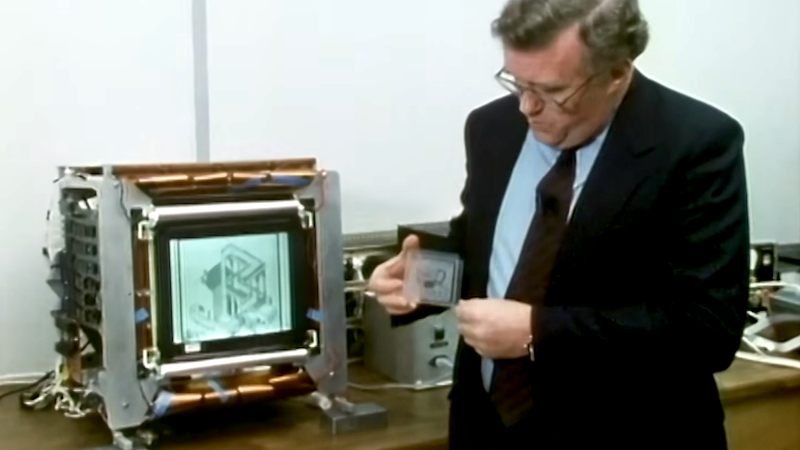
A 1986 prototype display from STC, described in a BBC Archive report, used a liquid-based technology to control light transmission, differing from modern e-ink displays. The display required a high activation voltage of 200 volts, which may have contributed to its lack of commercial success. The discovery highlights an early attempt at creating a persistent display technology that never became widespread.
A 1986 prototype display from STC used a liquid that changed how light passed through, but it required 200 volts to work, which likely prevented its widespread use.
This display shows an early attempt at creating a low-power, persistent screen, highlighting how technological choices like voltage requirements can shape the success of an invention.
It offers a glimpse into forgotten innovations and the trade-offs engineers face, encouraging reflection on how past ideas might inform future solutions.
upbeatBytes summarizes in its own words and links to the original publisher — it doesn't host the article.