
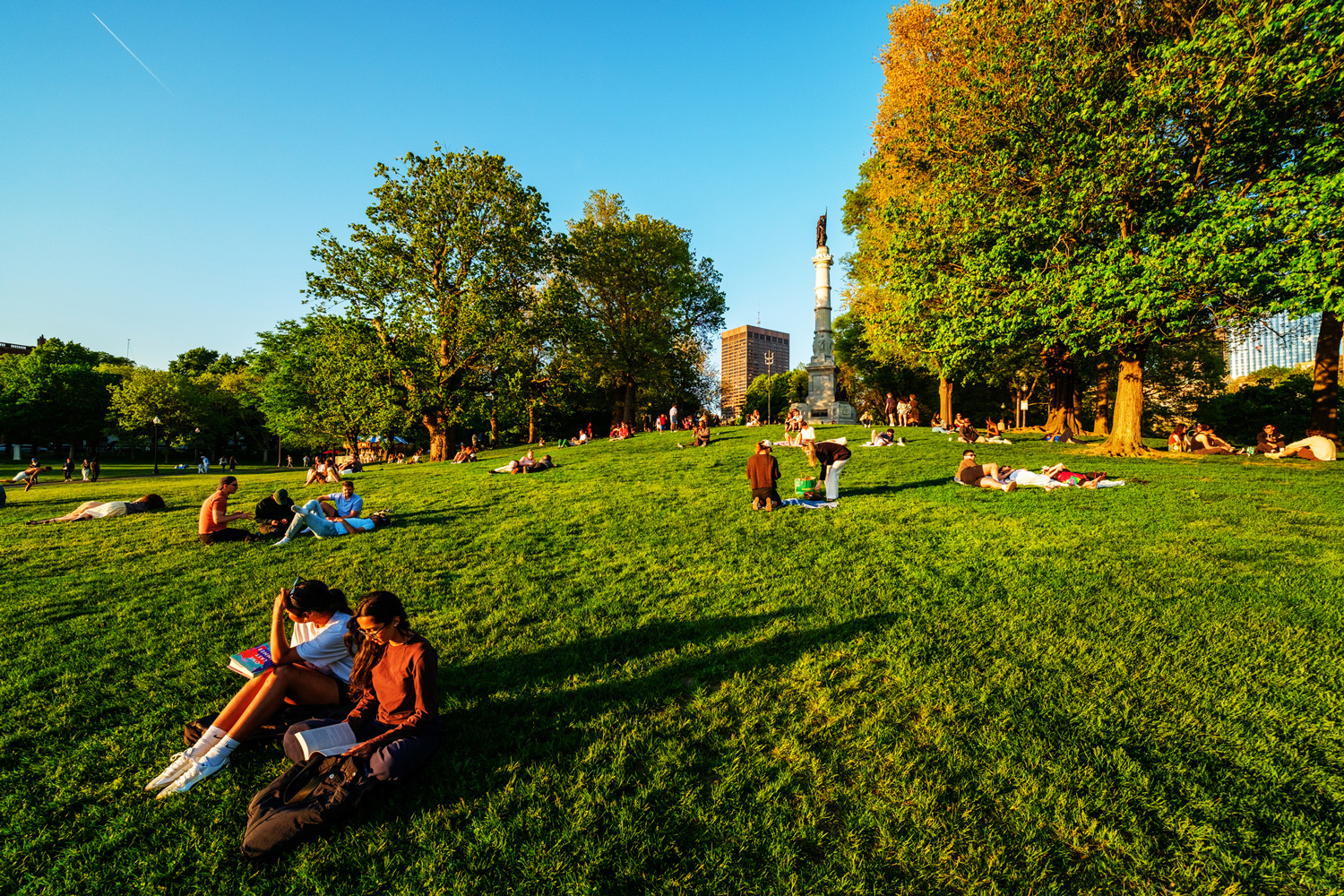
How urban design leads to better wellness
A study analyzing U.S. cities found that walkable neighborhoods, access to amenities, and urban greenery significantly improve residents' physical and mental health. Researchers examined data from thousands of urban areas, identifying design elements that support well-being by encouraging movement and social interaction. The findings highlight the role of thoughtful urban planning in promoting healthier communities. The research was published in Nature Health and involved collaboration between multiple institutions.
A study shows that walkable neighborhoods, green spaces, and access to amenities in cities improve residents' physical and mental health.
Good urban design can reduce healthcare burdens by promoting healthier lifestyles and stronger social connections in communities.
This research highlights how thoughtful city planning can create environments that support well-being, offering practical solutions for healthier, more connected communities.
upbeatBytes summarizes in its own words and links to the original publisher — it doesn't host the article.