
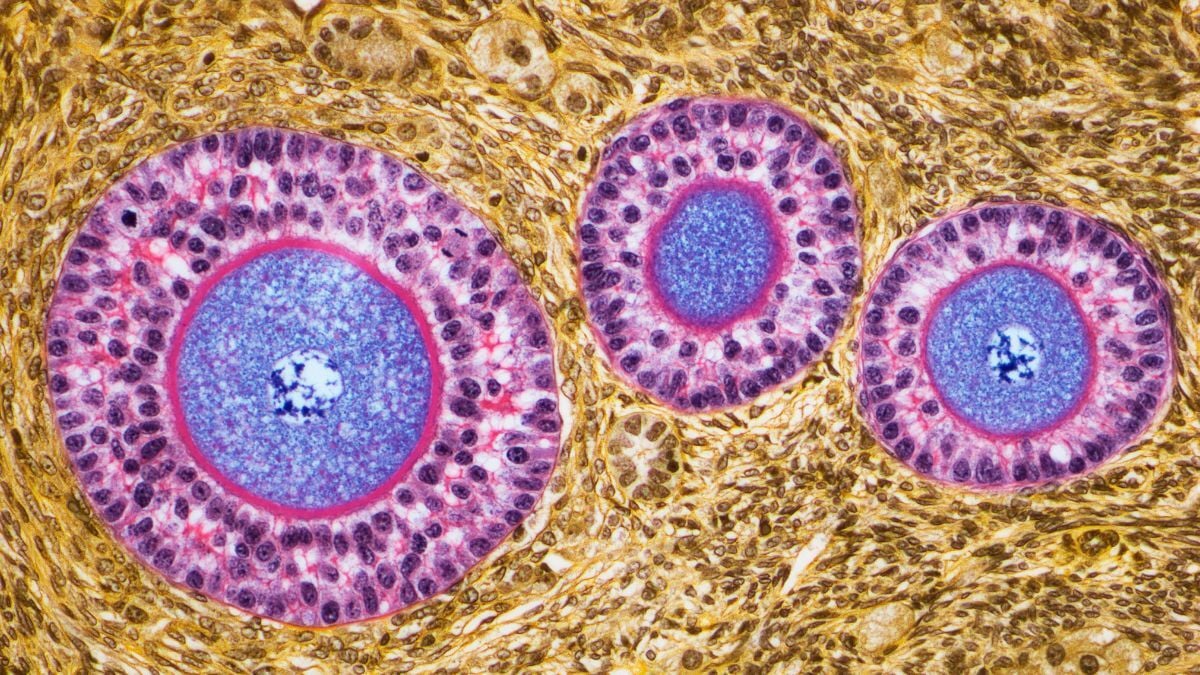
Ovaries Appear to Develop an Incredible Second Role After Menopause
New research suggests that post-menopausal ovaries continue to be biologically active, shifting from reproductive functions to immune-related activities. Studies in mice and post-menopausal women found that ovarian tissues show distinct molecular changes and increased immune cell presence after reproductive years. These findings challenge the traditional view of ovaries as inactive after menopause, indicating they may play a different but significant role in the body's immune system. The research highlights the need for further understanding of ovarian function in aging.
New research shows that after menopause, ovaries continue to change and take on new roles, such as supporting immune functions.
This challenges the old idea that ovaries become inactive after menopause and could lead to better understanding of aging and health in older women.
The findings highlight the complexity of the human body and offer hope for new ways to support health as people live longer lives.
upbeatBytes summarizes in its own words and links to the original publisher — it doesn't host the article.