
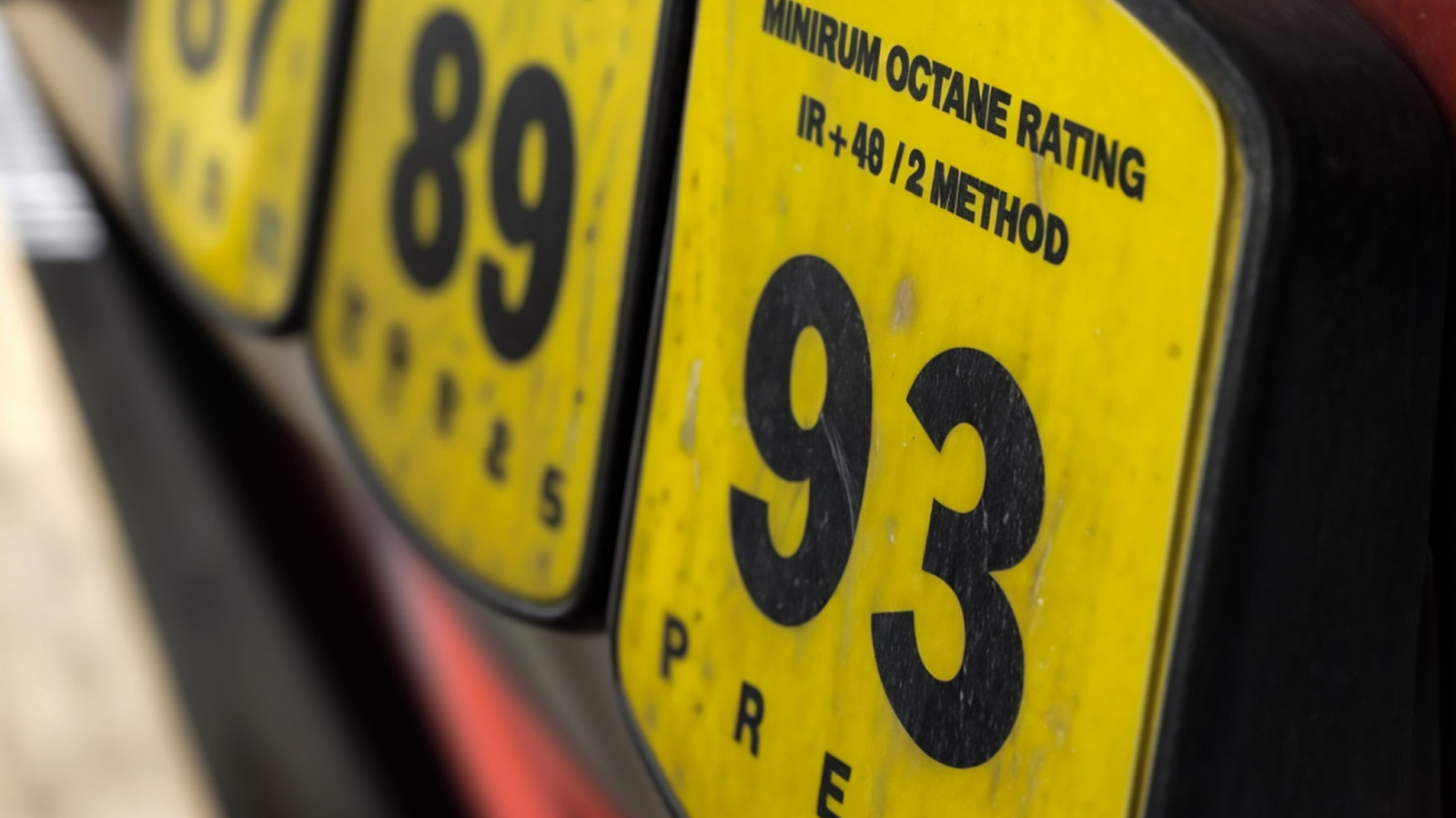
93 Octane Vs 91 Octane: What's The Difference Between These Fuel Types?
Gasoline octane ratings indicate fuel stability, with higher ratings meaning greater resistance to premature combustion. In the U.S., gas stations typically offer regular (87 octane), mid-grade (89–90), and premium (91–94) fuels, though regional variations exist, such as 91 octane in the west and 93 octane in the east. Using higher octane fuel can slightly improve performance in vehicles designed for it, but modern cars can adjust to lower octane without damage. For most drivers, the difference between 91 and 93 octane is minimal, though performance vehicles benefit more from higher octane fuel.
93 octane fuel is more stable and can handle higher pressure than 91 octane, potentially improving engine performance in some vehicles.
Choosing the right octane level can affect a car's power and efficiency, especially for performance vehicles that require higher octane fuel.
This information helps drivers make informed decisions about fuel choices, balancing cost, performance, and vehicle needs in a practical way.
Upbeat Bytes summarizes in its own words and links to the original publisher — it doesn't host the article.