
Why TVs Don't Use AMOLED Screens (But Smartphones Do)
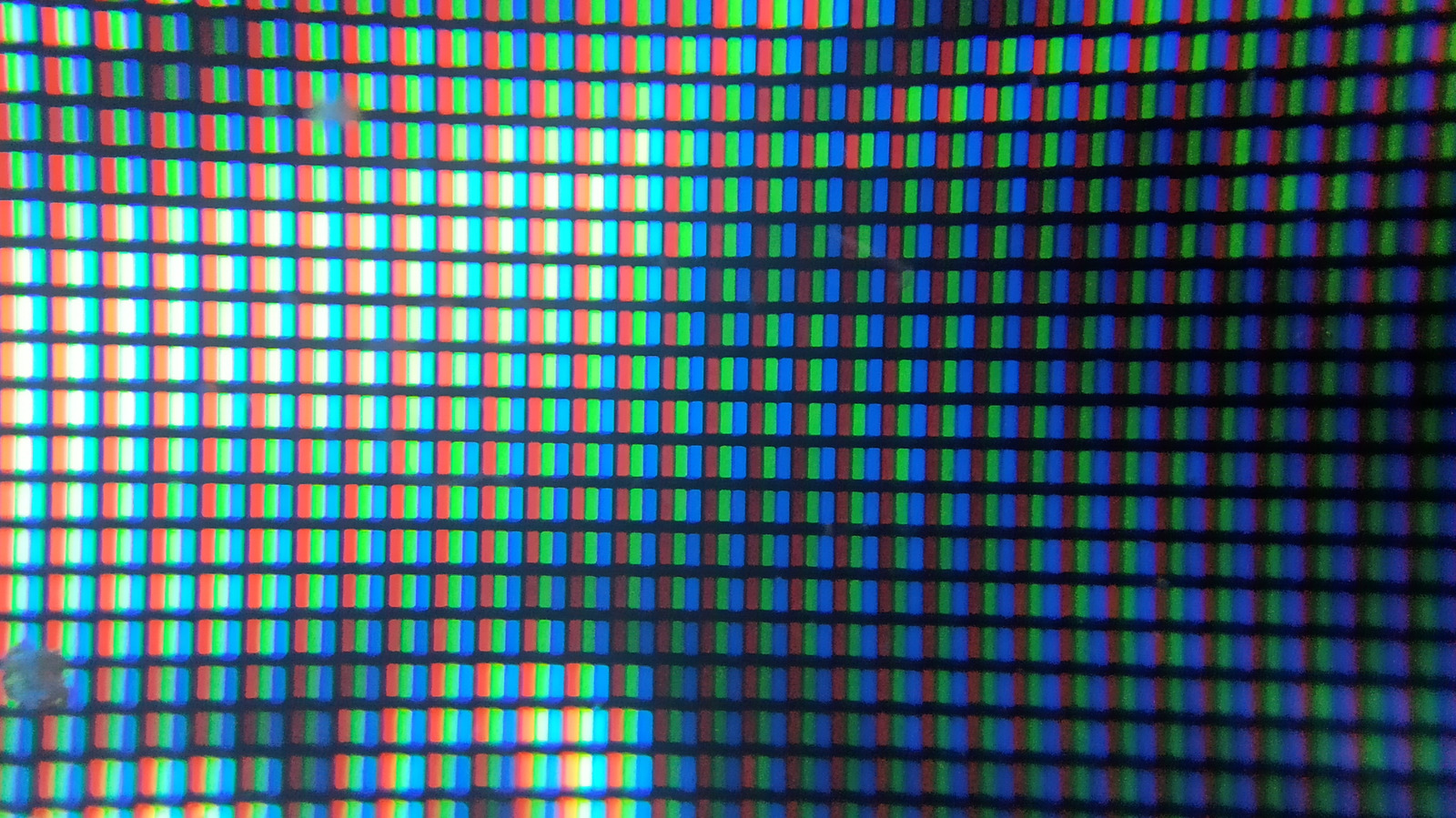
AMOLED screens are widely used in smartphones due to their sharpness and responsiveness, but they are not typically used in TVs because scaling the technology to larger sizes introduces manufacturing challenges. TVs instead use variations like WOLED or QD-OLED, which employ different methods to produce color and manage light, making them more suitable for larger displays. The shift in technology for TVs is driven by practical considerations in production and performance at bigger sizes. This approach allows for high-quality displays while addressing the limitations of AMOLED when applied to television screens.
TVs mostly use OLED technology, while smartphones use AMOLED, even though both are similar. The difference comes from how they're made and scaled for size.
The choice of display technology affects picture quality, durability, and cost, influencing how manufacturers design screens for different devices.
This story explains a technical difference in everyday devices, helping readers understand why screens look and work differently on phones and TVs.
Upbeat Bytes summarizes in its own words and links to the original publisher — it doesn't host the article.