
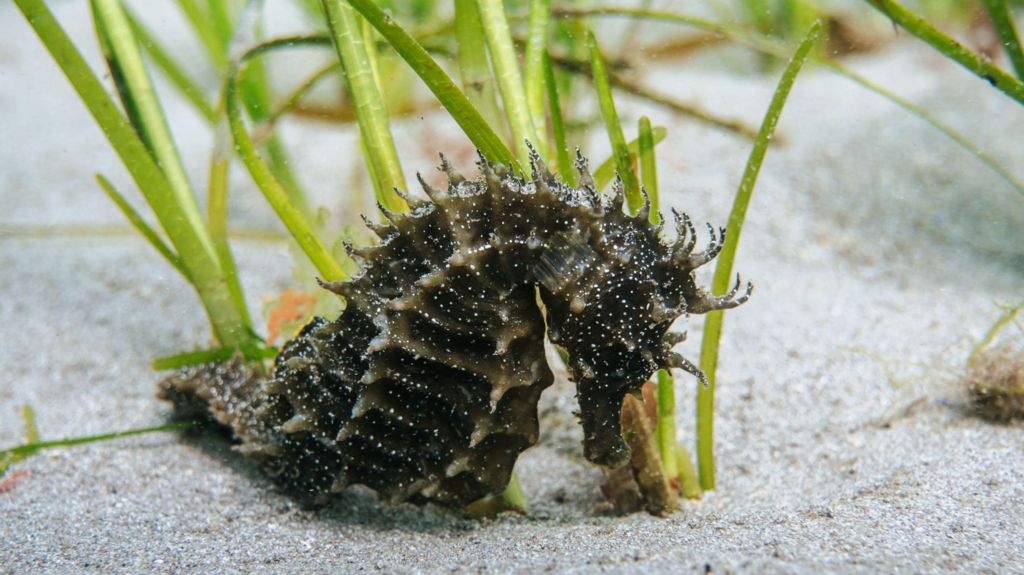
Special buoys mark sensitive seagrass habitats
Looe Harbour Commissioners and the Ocean Conservation Trust have installed special buoys to mark and protect seagrass habitats in Looe Bay, creating a voluntary no-anchor zone to reduce seabed damage. The initiative includes using low-impact mooring systems to minimize disturbance to the seagrass, which supports marine biodiversity and helps store carbon. The project is part of a broader effort to conserve seagrass ecosystems, which have declined significantly due to pollution and human activity. The measures aim to safeguard these vital habitats for the long-term health of the marine environment.
Special buoys have been placed in Looe Bay to mark seagrass areas and create a voluntary no-anchor zone to protect these habitats.
Protecting seagrass is important because it supports marine life, stores carbon, and helps stabilize coastlines, but much of the UK's seagrass has been lost due to human activity.
This effort shows how communities and organizations can work together to safeguard natural environments and promote sustainable practices for the future.
Upbeat Bytes summarizes in its own words and links to the original publisher — it doesn't host the article.