
Autopsy of a Freshly Cooked 10Gbit SFP+ Network Adapter
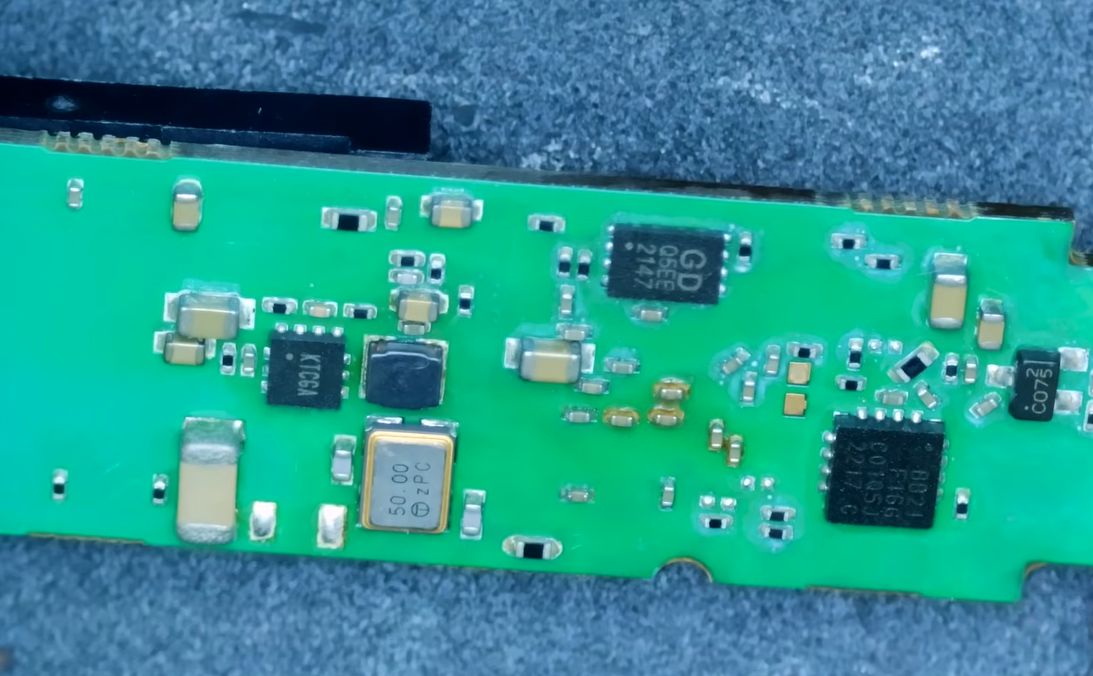
A teardown of a 10Gbit SFP+ network adapter revealed excessive heat generation, with internal components reaching 40°C at idle and showing signs of thermal damage. The module uses a high-power PHY chip with a metal heatsink, and an 8051-based MCU for compatibility settings. Replacing it with a lower-power alternative reduced heat but not significantly, leading to a recommendation of using single-mode fiber for better performance and cooling.
A 10Gbit SFP+ network adapter was examined after it started dropping data packets, revealing it runs very hot and has a design that may contribute to overheating.
High heat in networking hardware can lead to reliability issues, and understanding these problems helps in choosing better cooling solutions or more efficient equipment.
This story highlights the importance of hardware design and cooling in everyday technology, offering practical insights for users looking to improve their network setups.
Upbeat Bytes summarizes in its own words and links to the original publisher — it doesn't host the article.