
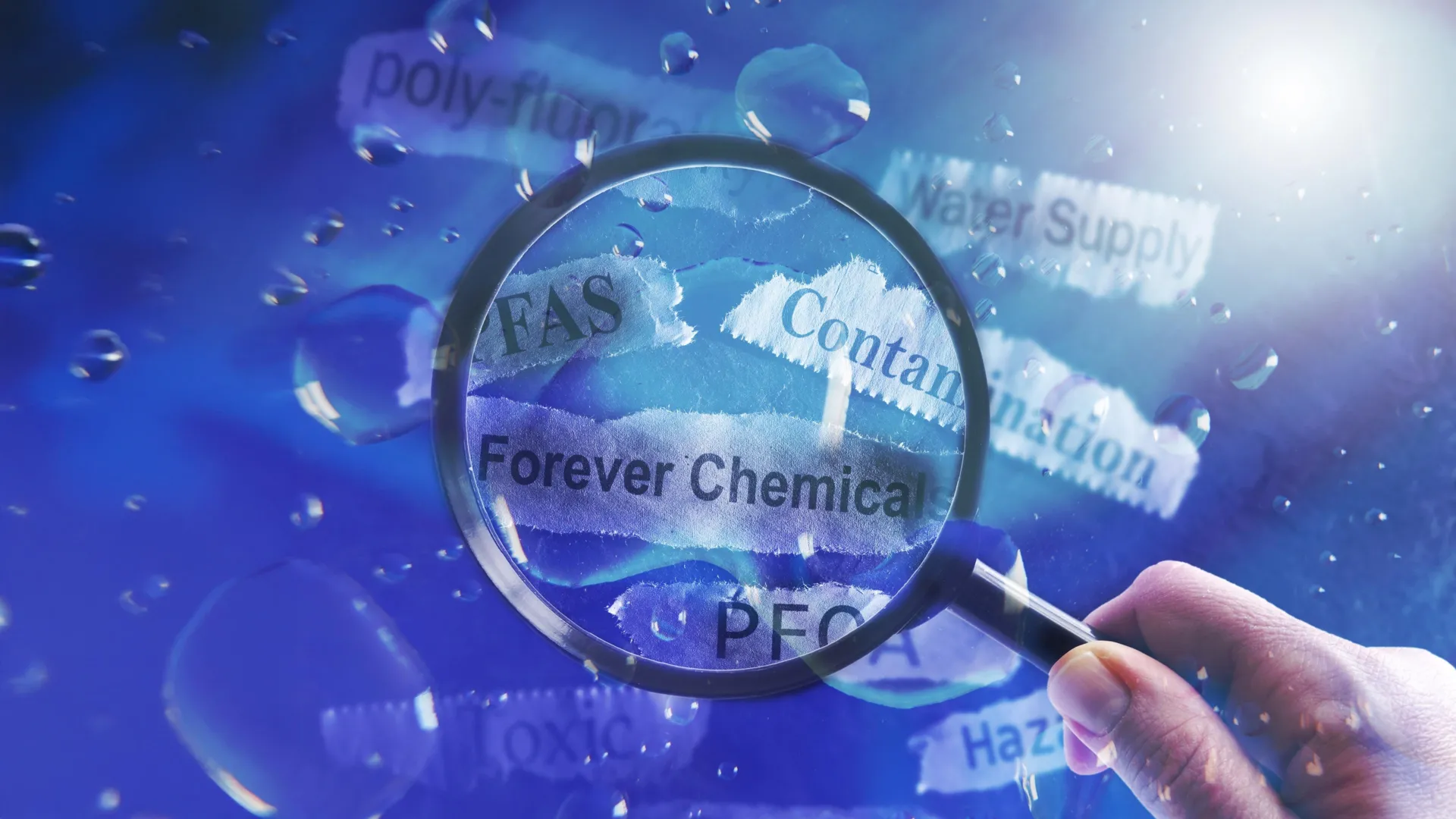
Scientists just found a hidden weakness in forever chemicals
Scientists have discovered that intense UV light can generate hydrogen radicals that effectively break down PFAS, or "forever chemicals," by removing fluorine atoms from their molecules. This finding challenges previous assumptions about PFAS degradation and provides a clearer path for developing technologies that can permanently destroy these pollutants rather than just relocating them. The research highlights the potential for more sustainable and efficient methods to address PFAS contamination.
Scientists discovered that intense UV light can break down PFAS, or "forever chemicals," by generating hydrogen radicals that attack and dismantle their molecules.
This finding could lead to more effective and environmentally friendly methods for destroying PFAS, rather than just moving them around, which is crucial for addressing long-term pollution and health risks.
The discovery offers a hopeful, science-based approach to tackling a persistent environmental problem, showing how research can lead to practical, sustainable solutions that benefit communities and ecosystems.
Upbeat Bytes summarizes in its own words and links to the original publisher — it doesn't host the article.