
Building Your Own X-Ray Detector Screen
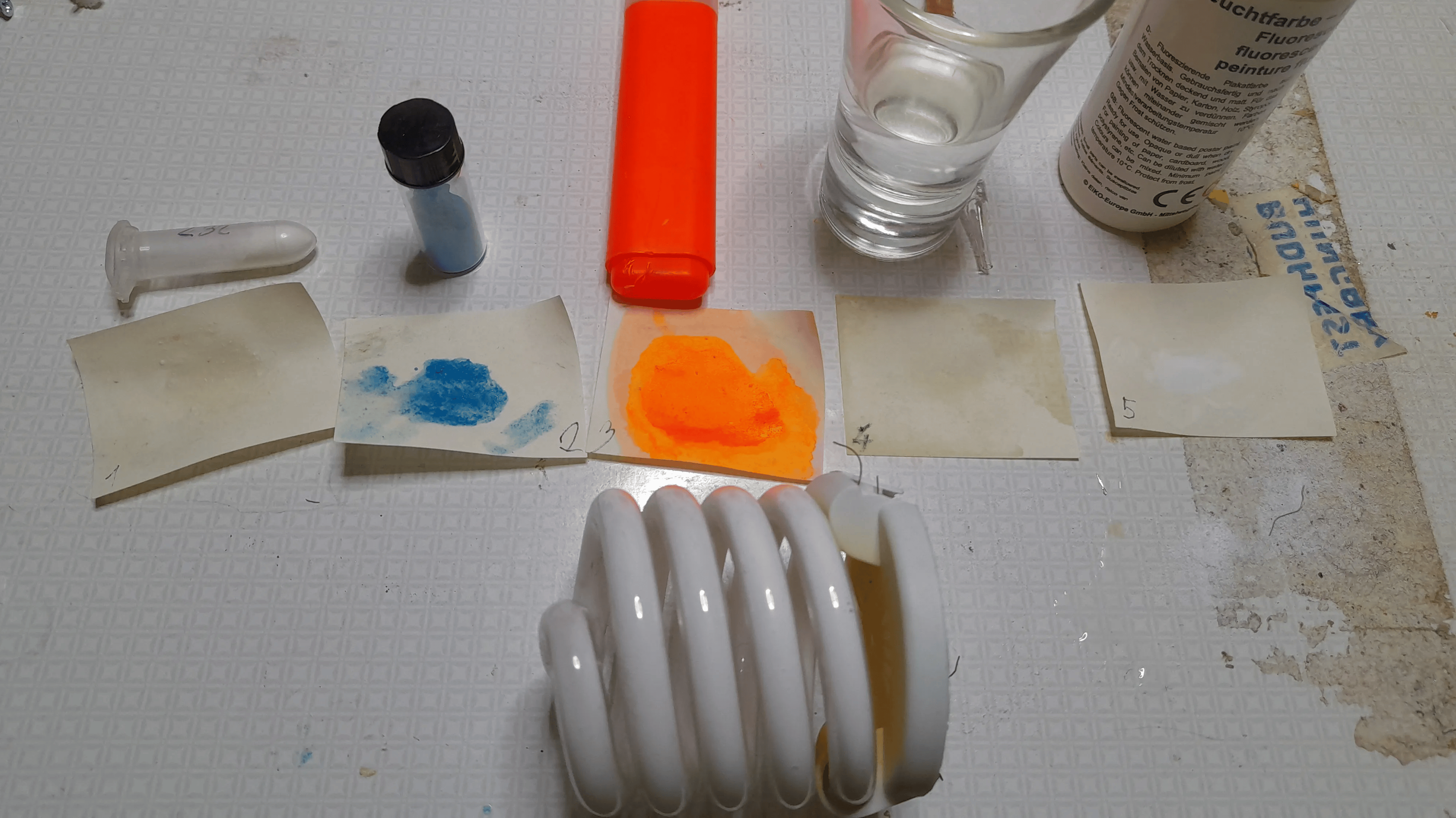
A person experimented with creating an X-ray detector screen by testing various phosphor materials and successfully synthesized strontium aluminate and calcium tungstate phosphors, which glow under X-ray exposure. The process involved chemical reactions and annealing to produce materials that emit visible light when exposed to X-rays, demonstrating a practical approach to building homemade X-ray detection equipment. The results showed that certain phosphors, like those in fluorescent light bulbs and synthesized scheelite, can effectively convert X-rays into visible light, offering potential for low-cost or educational X-ray imaging applications. This project highlights the feasibility of creating functional X-ray detection systems using accessible materials and methods.
A person built an X-ray detector screen using phosphor materials, testing various substances to find ones that glow under X-rays.
This experiment shows how accessible and doable advanced scientific projects can be with the right materials and knowledge.
It highlights curiosity and hands-on learning, offering inspiration for others to explore science in creative ways.
Upbeat Bytes summarizes in its own words and links to the original publisher — it doesn't host the article.