
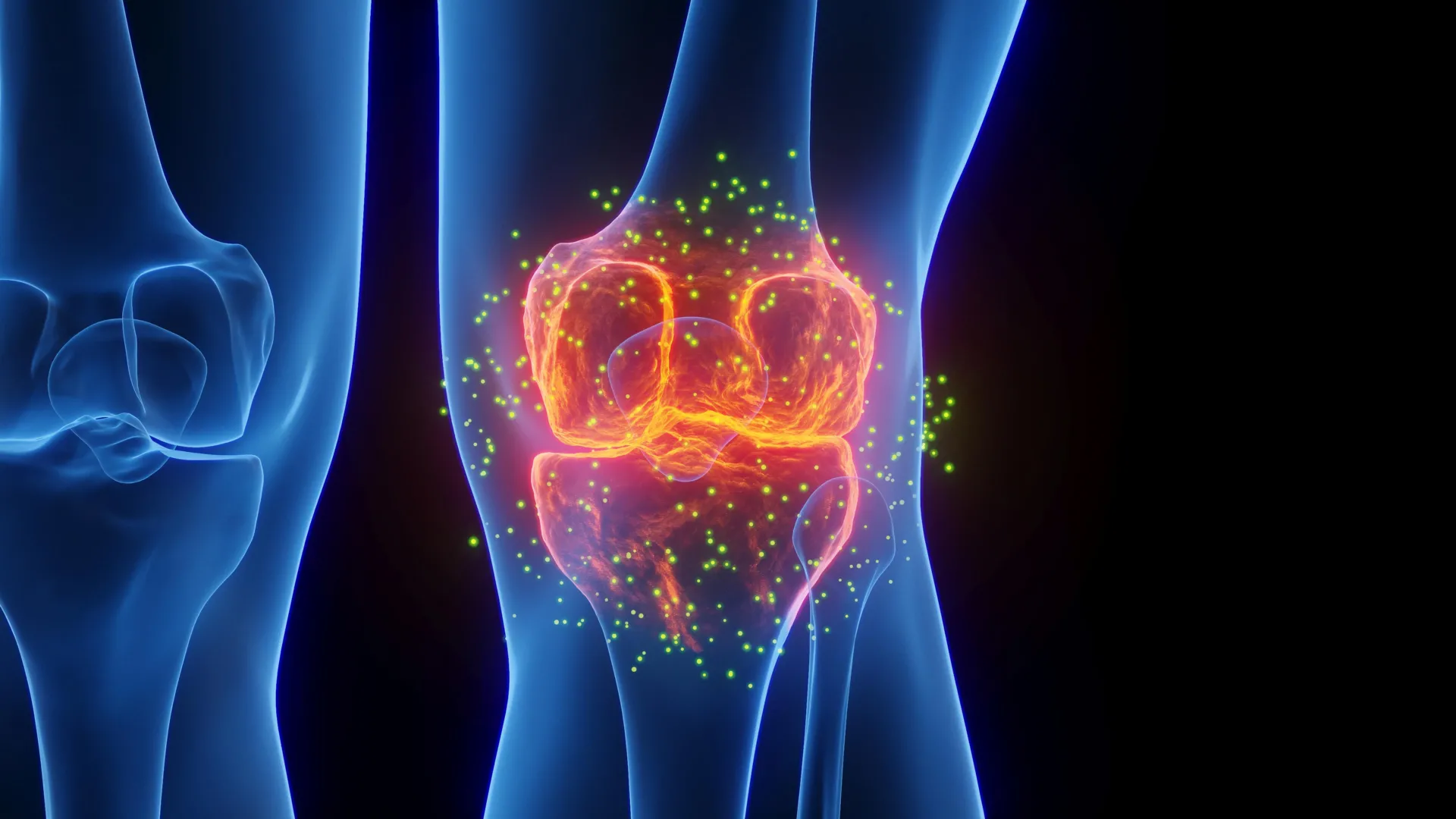
Stanford scientists regrow lost cartilage and reverse arthritis in major breakthrough
Stanford researchers have developed a treatment that blocks an aging-related protein, restoring lost cartilage in older mice and preventing arthritis after knee injuries, with similar results observed in human tissue samples. The approach targets 15-PGDH, a protein linked to tissue decline, and may offer a future alternative to joint replacement surgeries by repairing damaged cartilage through injection or oral medication. The findings suggest a potential new way to regenerate adult tissue without relying on stem cells, offering hope for treating age-related and injury-induced arthritis.
Stanford scientists have found a way to regrow lost cartilage and reverse arthritis in mice, with promising results in human tissue samples.
This could lead to new treatments that repair joints instead of replacing them, potentially reducing the need for surgeries and lowering healthcare costs.
The research offers hope for a non-invasive solution to a common and costly condition, showing how targeting aging processes might help restore health in older adults.
upbeatBytes summarizes in its own words and links to the original publisher — it doesn't host the article.