
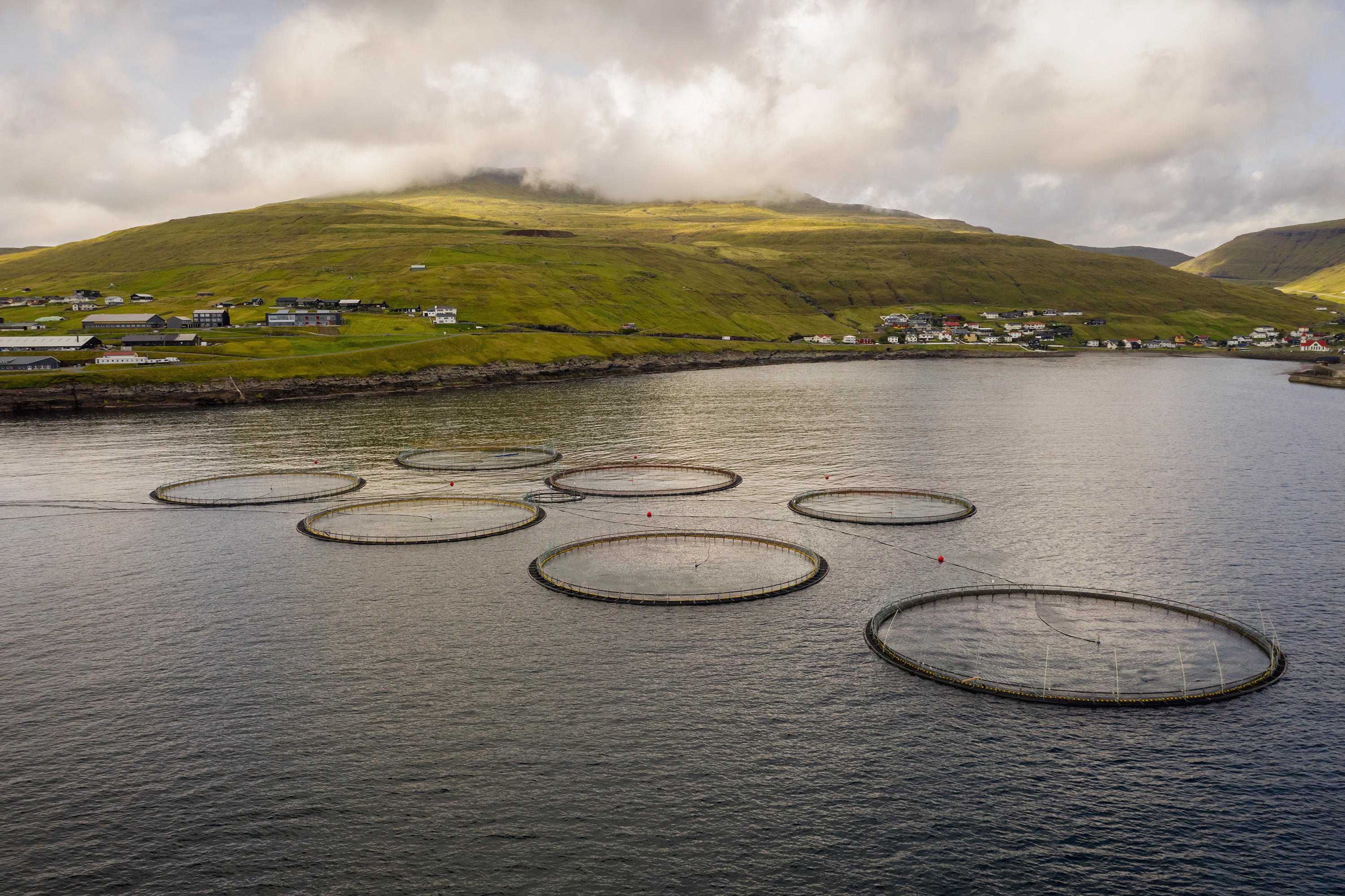
MIT engineers design a safer, more efficient vaccination system for farmed fish
MIT engineers have created a new vaccination system for farmed fish using water-resistant microneedles made from food-grade silk. The system is designed to be safer and more efficient than current methods, helping prevent disease outbreaks in aquaculture. The microneedles can penetrate fish skin and dissolve safely after delivering the vaccine.
MIT engineers developed microneedles made from food-grade silk and shellac to safely deliver vaccines to farmed fish. The needles are designed to be water-resistant and dissolve after use, reducing harm to the fish and improving vaccination efficiency.
This innovation could help reduce disease in farmed fish, which is a major source of food globally. It offers a more humane and effective way to protect fish, which in turn supports food security and sustainable aquaculture practices.
The project shows how scientific research can address real-world challenges in agriculture and food production. It highlights a practical solution that benefits both farmers and the environment, fitting the calm, constructive focus of the news site.
upbeatBytes summarizes in its own words and links to the original publisher — it doesn't host the article.