
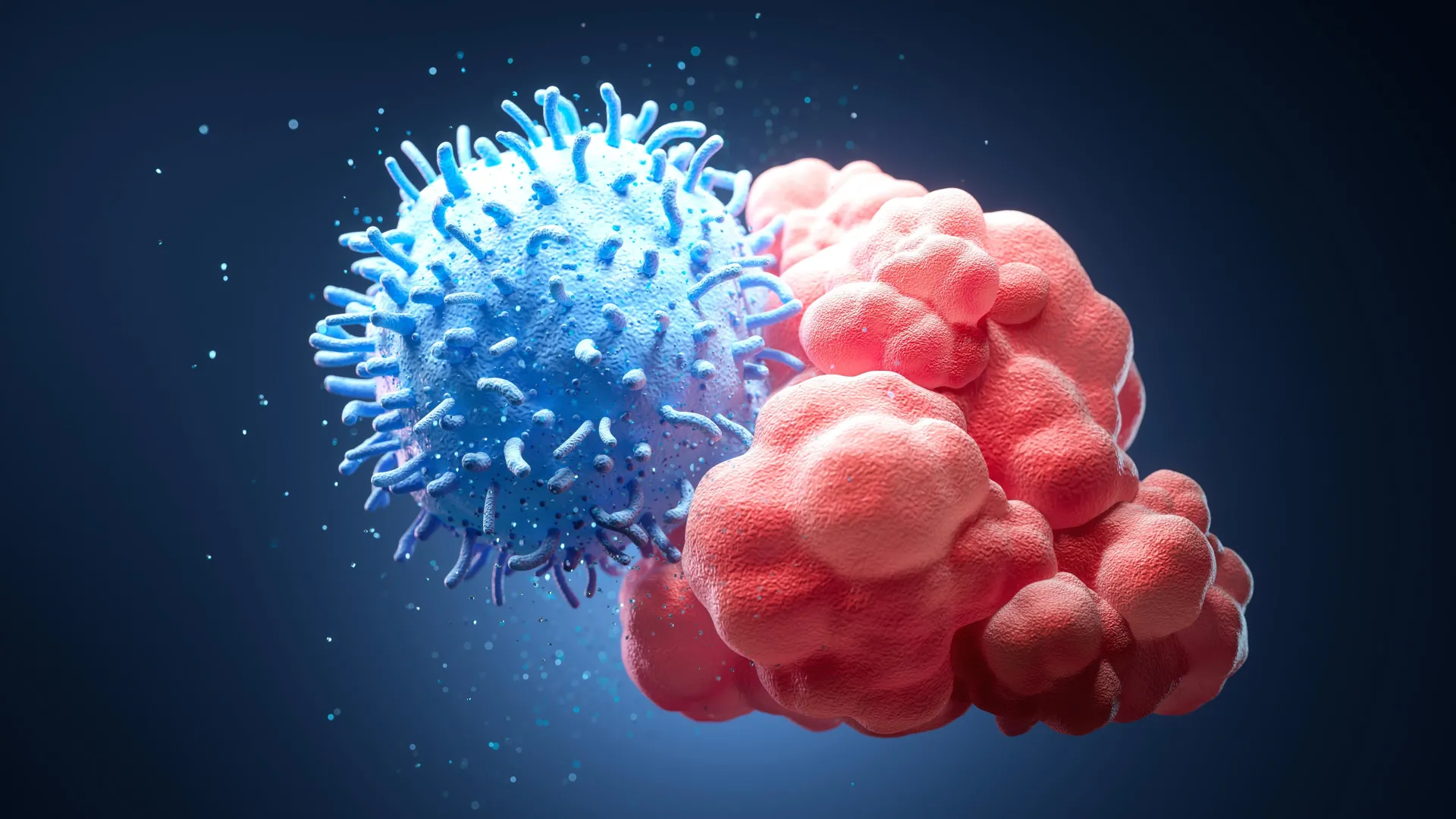
Scientists discover the immune system’s hidden sense of touch
Scientists at McGill University found that T cells can sense the stiffness of their surroundings, which influences how they develop into long-lasting memory cells that protect against future infections. This discovery changes how we understand immunity and could impact treatments for diseases like cancer and autoimmune disorders. The research involved human and mouse cells tested in gels that mimicked different tissue stiffness levels.
Researchers found that T cells can detect the stiffness of their environment, which affects their development into memory cells that provide long-term immunity. This was tested using collagen gels that mimicked different tissue stiffness levels.
The discovery could lead to better treatments for diseases where the immune system malfunctions, such as cancer and autoimmune disorders. It also provides new insights into how the body builds immunity over time.
The finding highlights how the body's natural processes can be understood and harnessed for medical advances, offering hope for more effective treatments and a deeper understanding of health.
upbeatBytes summarizes in its own words and links to the original publisher — it doesn't host the article.