
Cambridge scientists create a $10 chip that could put a medical lab on your wrist
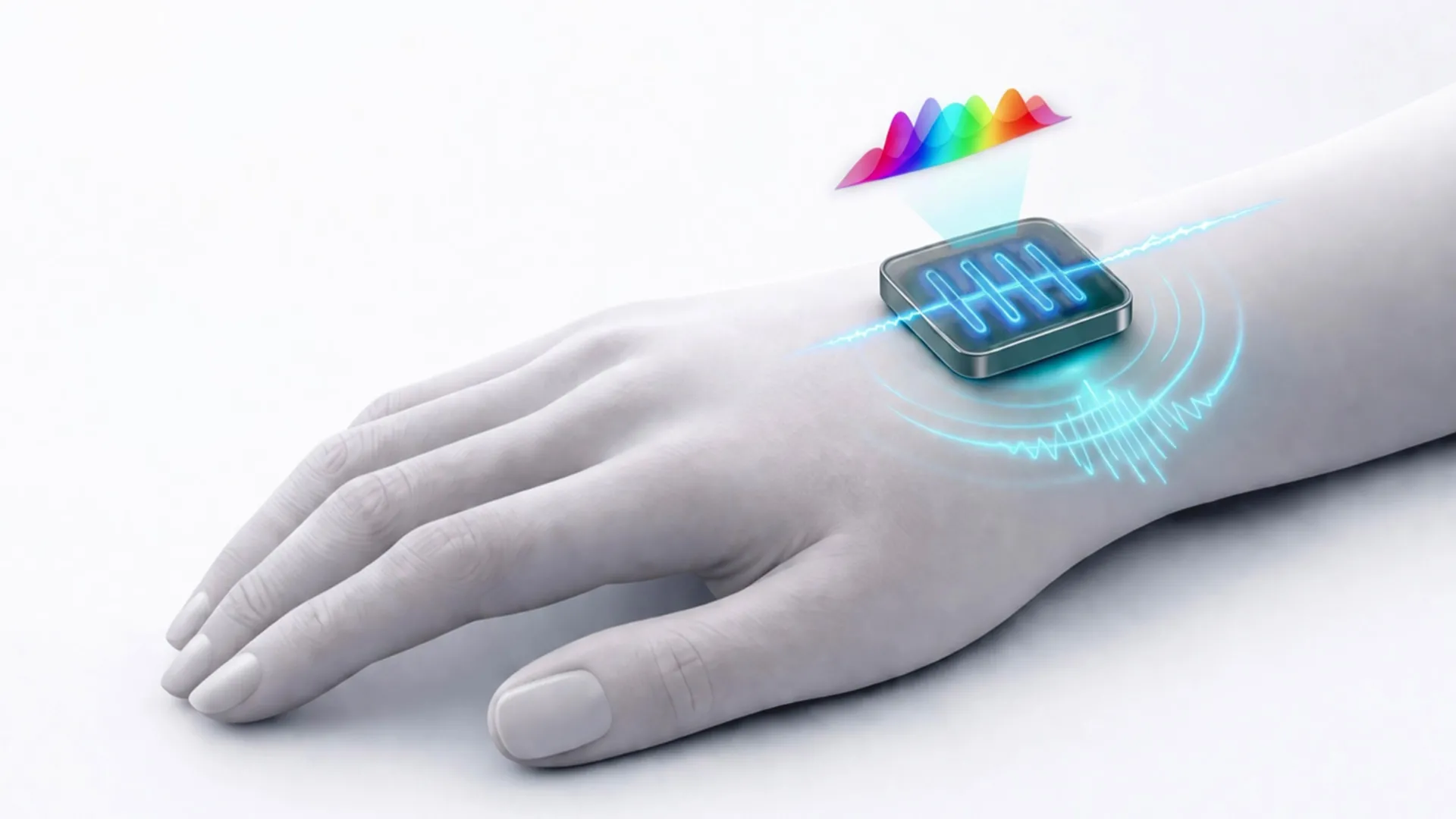
Scientists at the University of Cambridge have developed a $10 optical sensor that can perform lab-level analysis in a small, wearable device. It can accurately identify substances and monitor health markers without invasive methods. The sensor could be used in health monitoring, food testing, and environmental checks.
A team of researchers created a low-cost, highly accurate optical sensor that can be used in wearable devices to analyze substances and monitor health. It uses a new method to process light and offers better performance than existing miniaturized spectrometers.
This technology could make health monitoring more accessible and less invasive, while also improving quality control in industries and environmental monitoring. It has the potential to benefit people in both developed and developing regions.
The sensor represents a practical innovation that could improve daily health management and reduce reliance on traditional lab equipment. It shows how scientific advances can lead to affordable, real-world solutions.
upbeatBytes summarizes in its own words and links to the original publisher — it doesn't host the article.