
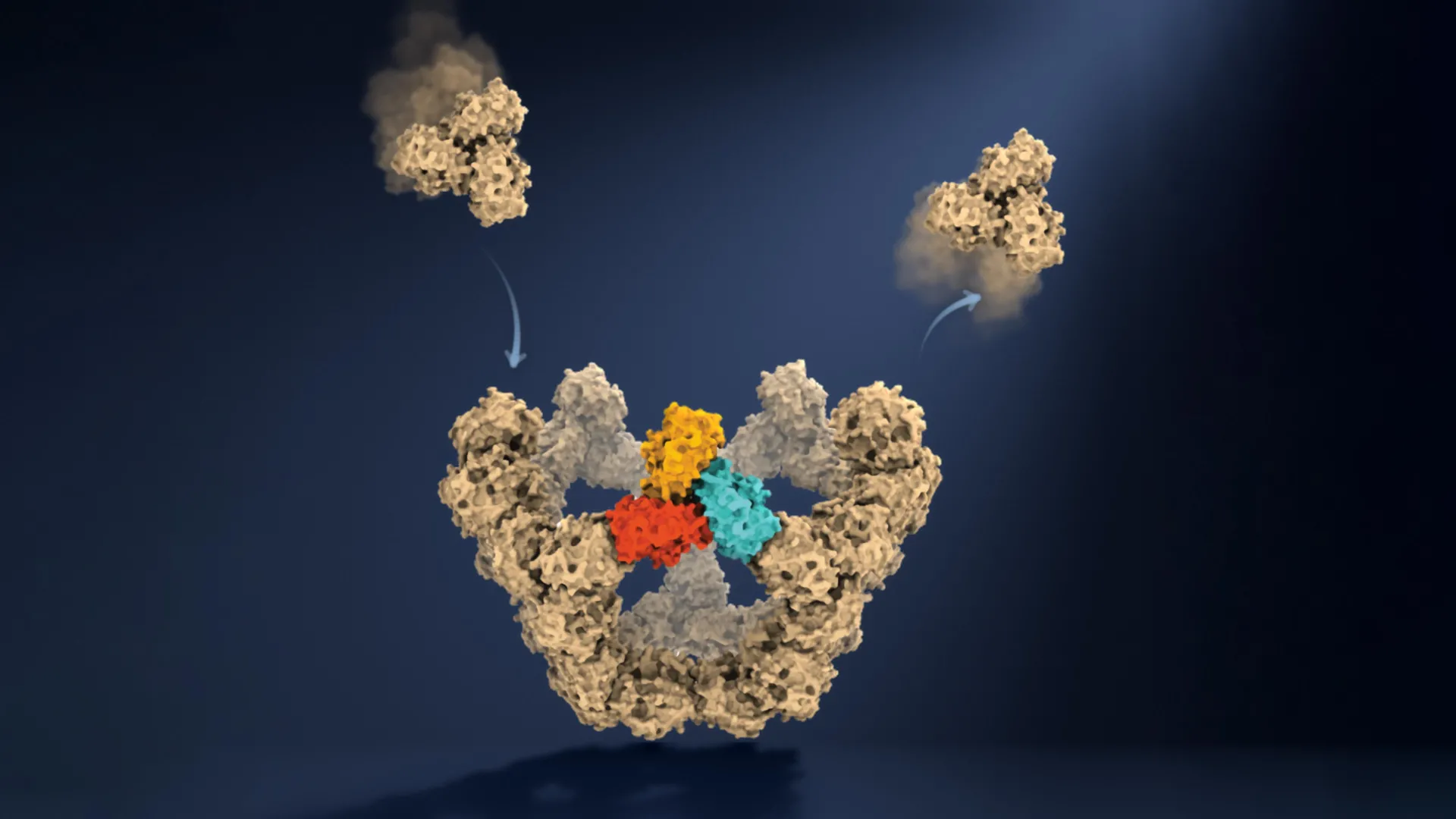
Oxford scientists discover how viruses build themselves without a blueprint
Scientists at the University of Oxford observed how virus-like particles assemble themselves step by step, revealing a simple process that leads to complex structures. The discovery shows how proteins find the right arrangement without a blueprint, which could help in developing new antiviral treatments. The research was published in Nature and provides insight into how viruses build their protective shells.
Oxford scientists watched virus-like particles form by observing how proteins connect and rearrange themselves into stable structures. They found that the process uses trial and error, with unstable connections eventually leading to a stable structure that guides further assembly.
Understanding how viruses assemble could lead to new ways to stop them, helping in the development of better vaccines and antiviral drugs. This knowledge could improve medical treatments and provide new strategies for fighting diseases.
The research shows how complex systems can form through simple rules, offering a clear example of natural processes at work. It highlights the potential for scientific discovery to lead to practical solutions that benefit human health.
upbeatBytes summarizes in its own words and links to the original publisher — it doesn't host the article.