
Did Iron Age Britons remove brains of the dead?
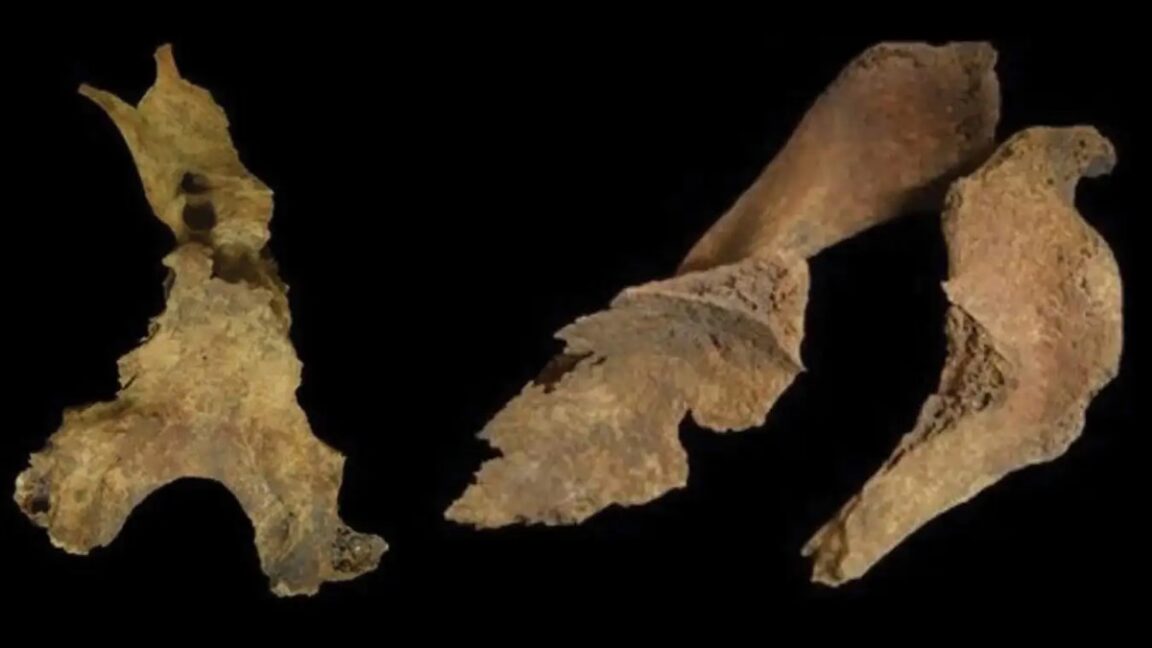
Archaeologists in northwest Scotland discovered a skull with scrape marks suggesting the brain was removed shortly after death, along with long bones that may have been sharpened into tools. The remains, dating to between 50 BCE and 70 CE, show evidence of postmortem manipulation, including fractures and tool-like modifications. This finding offers new insights into Iron Age funerary practices and the possible use of human remains in crafting tools or artifacts. The discovery highlights the complexity of ancient burial customs and the potential for human remains to serve multiple purposes beyond simple interment.
Archaeologists found scrape marks inside a skull from Iron Age Britain, suggesting the brain may have been removed after death, along with sharpened bones possibly used as tools.
This discovery offers new insights into Iron Age funerary practices and the ways ancient people treated human remains, possibly for ritual or practical purposes.
It highlights how archaeology can reveal complex human behaviors and beliefs, fostering curiosity and understanding of our shared past.
upbeatBytes summarizes in its own words and links to the original publisher — it doesn't host the article.