
Busting the Myth that Plastics are Chemically Inert in Water
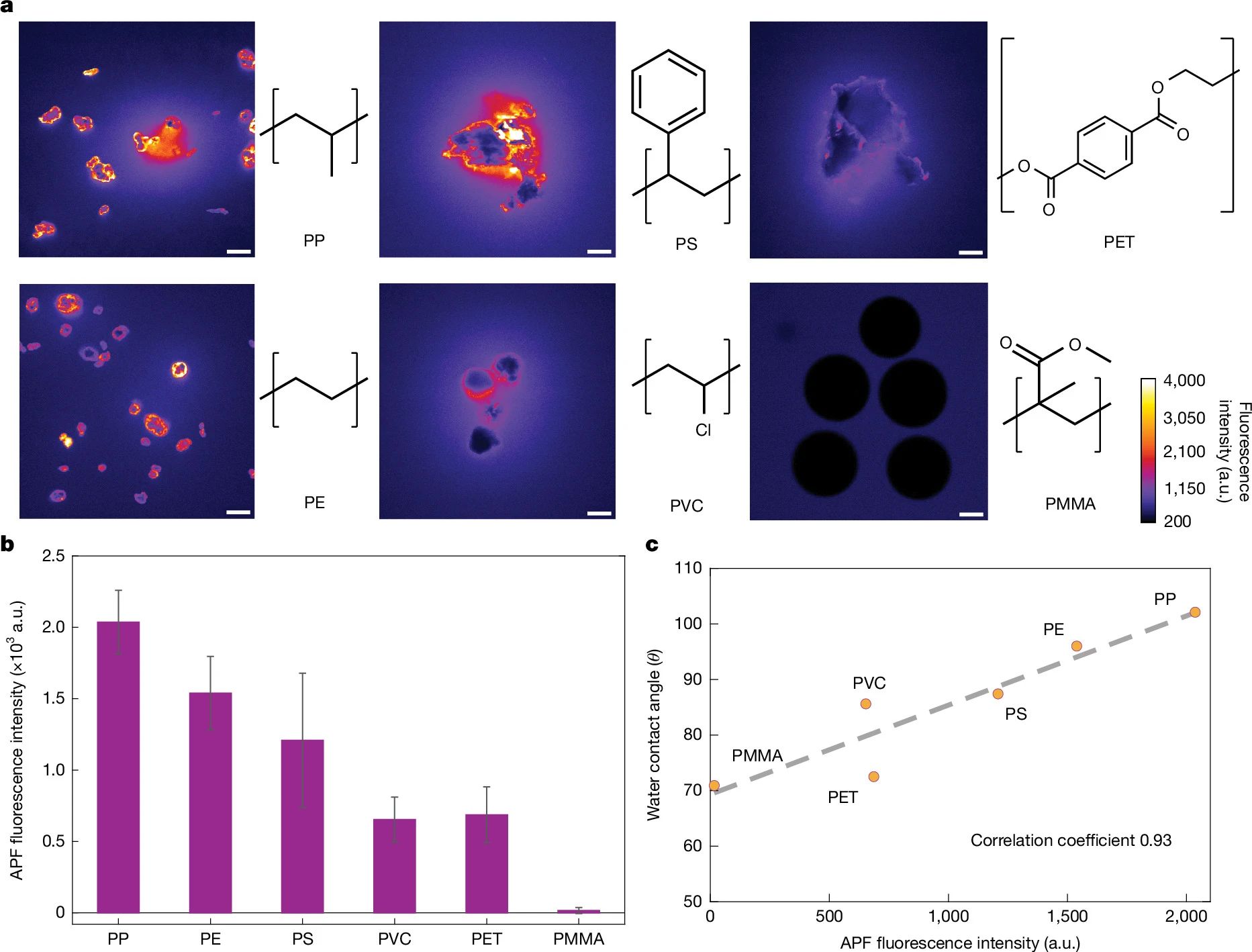
A new study shows that plastics are not chemically inert in water, as previously believed. The research found that plastics can create reactive hydroxyl radicals, which may harm living cells. The findings suggest microplastics could be more dangerous than thought and may affect human health and plastic degradation.
Researchers discovered that plastics in water produce reactive hydroxyl radicals, which can damage cells. The study used mouse red blood cells and found that polystyrene microplastics caused fatal damage.
The findings challenge the idea that plastics are harmless in water and raise concerns about the health effects of microplastics. It also highlights the need for better detection methods and understanding of how microplastics behave in the body.
The study provides new insights into a growing environmental and health issue, offering a clearer picture of how plastics interact with living systems and what steps might be taken to address the problem.
upbeatBytes summarizes in its own words and links to the original publisher — it doesn't host the article.