
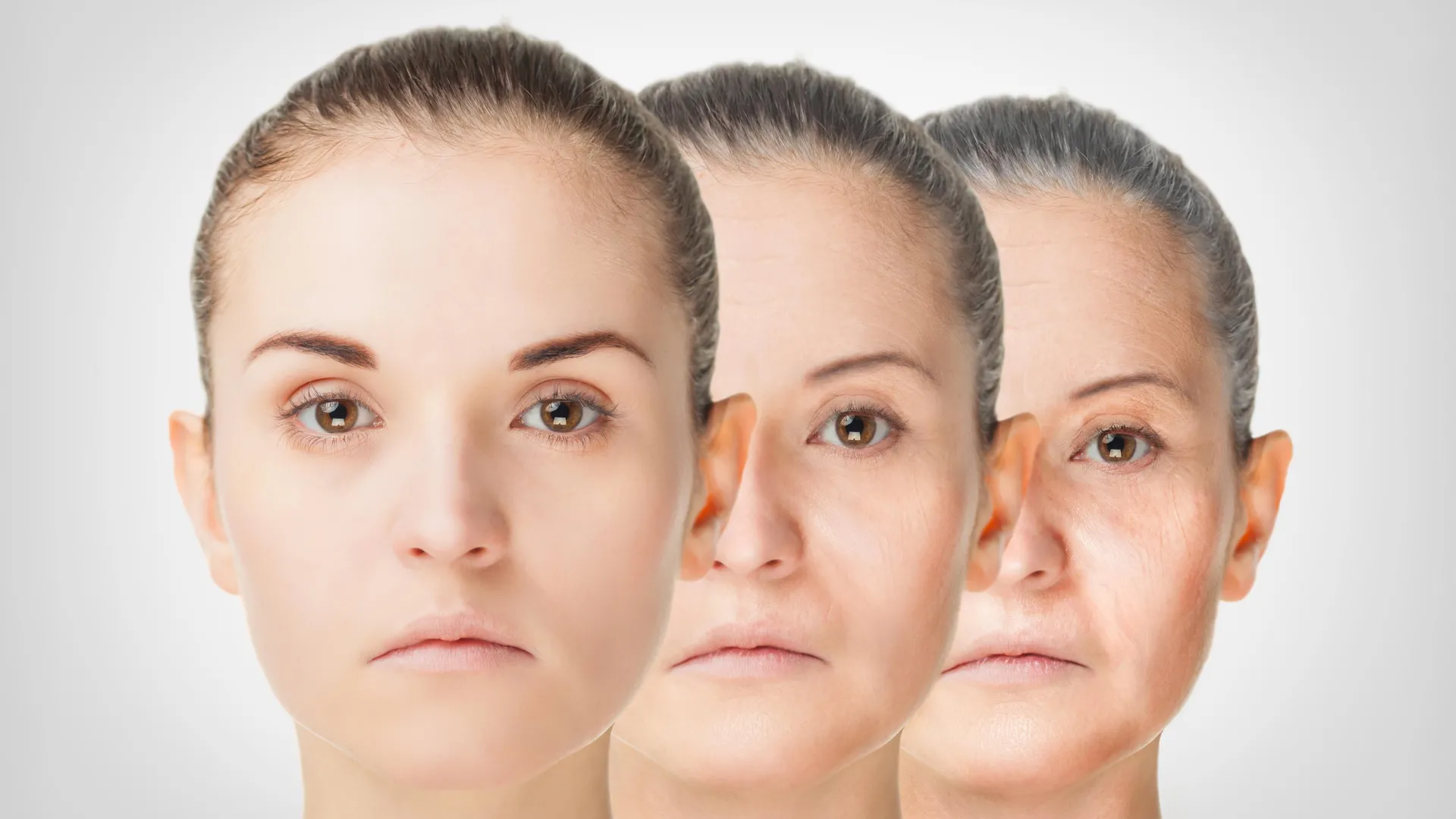
Scientists find hidden driver of aging and a simple amino acid that fights memory loss in mice
Scientists found that declining levels of a brain protein called Menin may contribute to aging, and restoring it in mice improved memory, balance, and other age-related issues. A simple amino acid called D-serine also showed memory benefits in the same animals. The research suggests the brain plays a key role in aging and could lead to new ways to address age-related decline.
Researchers discovered that reducing a brain protein called Menin in mice led to aging signs, and restoring it improved health. Amino acid supplements also helped memory in the animals.
The findings suggest that aging may be influenced by brain processes that could be targeted, offering potential for new treatments to improve health in older adults.
The research highlights the possibility of simple interventions to address aging effects, showing how scientific discovery can lead to practical, hopeful solutions.
upbeatBytes summarizes in its own words and links to the original publisher — it doesn't host the article.