
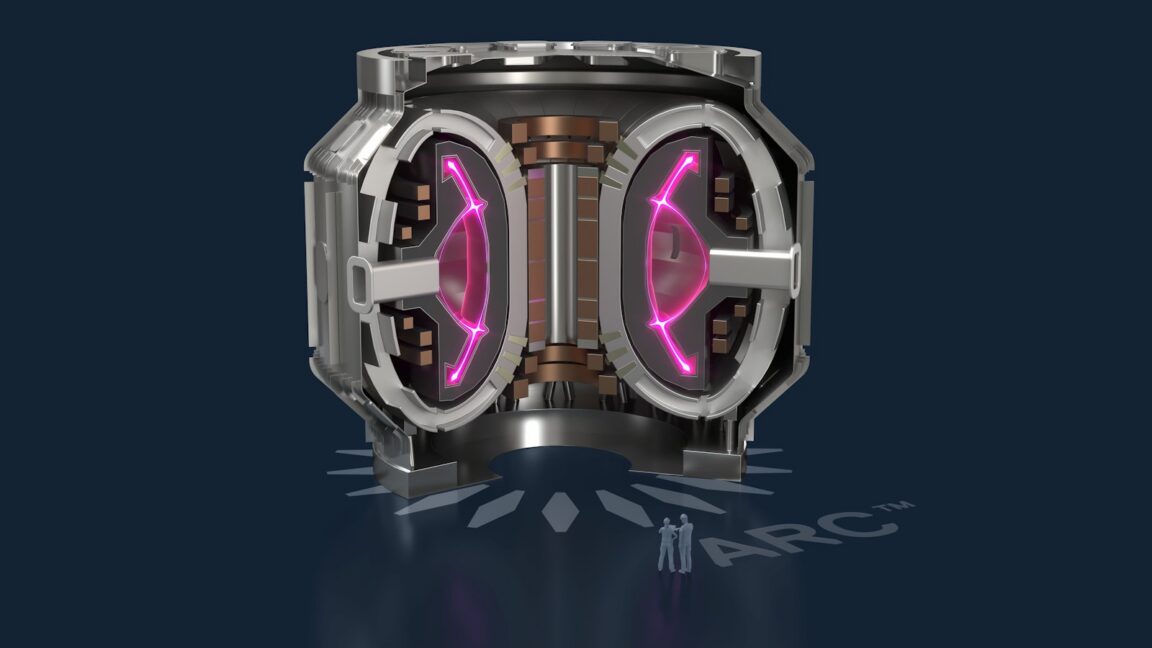
Commonwealth Fusion makes the physics case for its 400 MW reactor
Commonwealth Fusion has published five peer-reviewed papers outlining the design and expected performance of its 400 MW fusion reactor, ARC, which is set to follow the completion of its SPARC tokamak. The research details how ARC will use deuterium-tritium fusion to generate electricity, with a focus on efficient energy extraction and fuel sustainability through lithium-based molten salt blankets. The company's approach leverages high-temperature superconductors to build a smaller, more efficient reactor, accelerating progress toward commercial fusion power. The studies provide a strong scientific foundation for the project, showing that the design is technically feasible and capable of producing significant net electricity output.
Commonwealth Fusion has published five peer-reviewed papers outlining the design and expected output of its 400 MW fusion reactor, ARC.
These papers provide a detailed scientific foundation for building a commercial fusion reactor sooner than previously expected, potentially accelerating clean energy solutions.
The work highlights collaboration between startups and academia, offering a realistic and constructive path toward scalable, low-carbon energy production.
upbeatBytes summarizes in its own words and links to the original publisher — it doesn't host the article.