
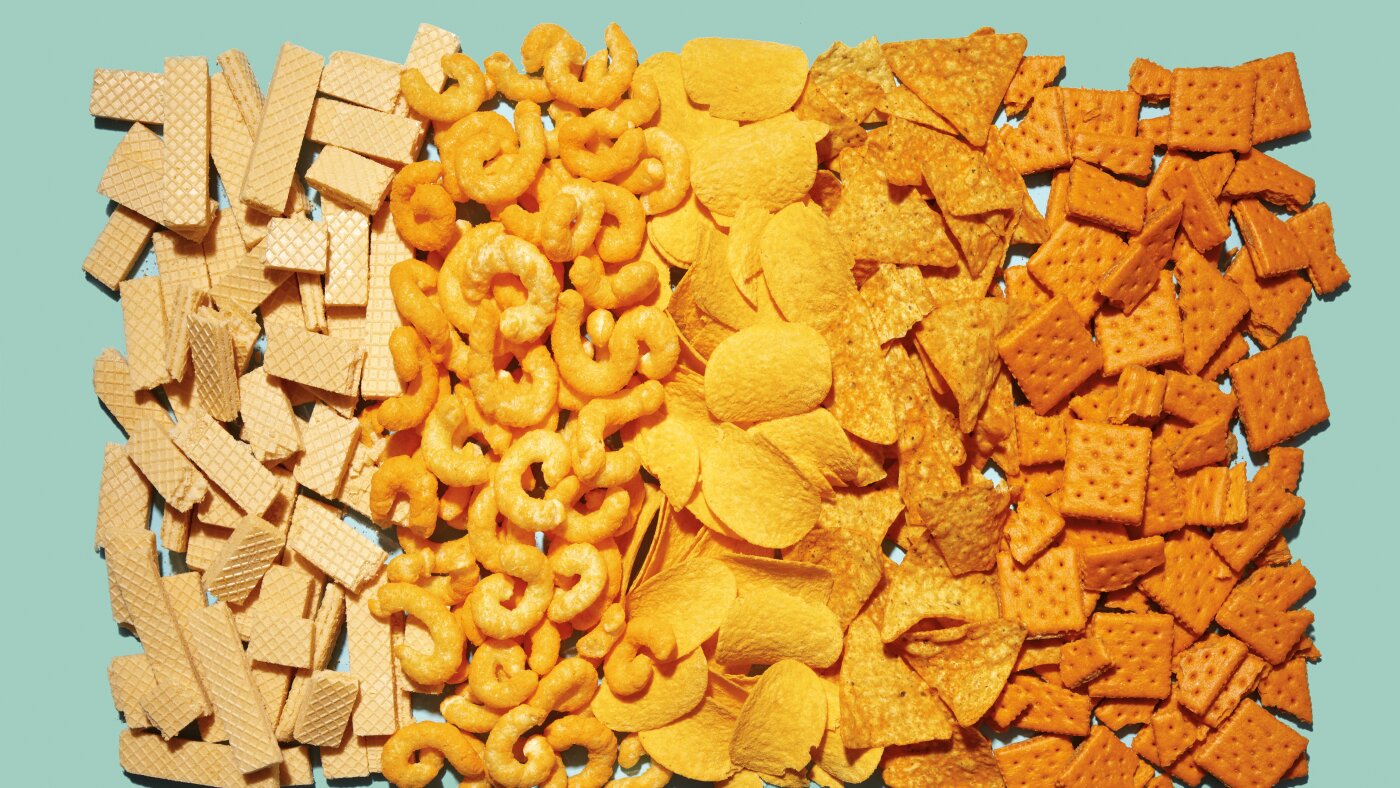
Big tobacco hooked us on ultra-processed foods. It might teach us how to cut back
A new study reveals that major tobacco companies used their expertise in developing addictive products to influence the creation and marketing of ultra-processed foods starting in the 1980s. Researchers argue that the same strategies used to promote cigarettes, such as flavor engineering and targeted advertising, were applied to food products, contributing to their widespread consumption. The findings suggest that public health approaches successful in reducing tobacco use could be adapted to address the overconsumption of these foods, which are linked to chronic health issues. This connection highlights a potential pathway for improving dietary habits through lessons learned from tobacco control efforts.
Big tobacco companies used strategies developed for cigarettes, like flavor engineering and marketing, to help create and promote ultra-processed foods.
Ultra-processed foods are linked to poor health, and understanding their development could help people reduce their consumption.
This story connects historical industry practices to current public health challenges, offering insight into how past lessons might guide future solutions.
upbeatBytes summarizes in its own words and links to the original publisher — it doesn't host the article.