
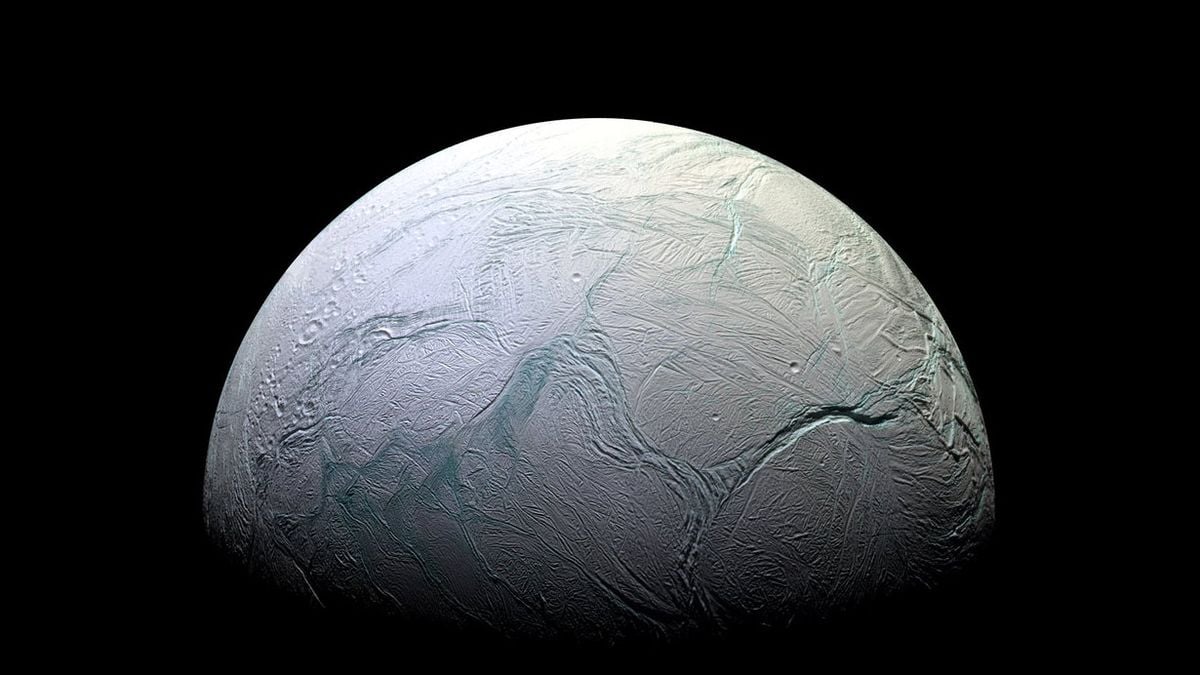
Finding Life on Enceladus Could be Easier than We Thought, Says New Research
New research suggests that finding signs of life on Enceladus, a moon of Saturn, may be easier than previously believed. Scientists studied the moon's plumes and found that they could contain concentrated biosignatures. This could help future missions detect evidence of life more effectively.
Researchers found that ice droplets in Enceladus' plumes freeze more slowly, spreading out salts and organic compounds. This makes it easier to detect potential signs of life. They also found that methane-producing bacteria could survive in conditions similar to those on Enceladus.
The findings could guide future space missions to search for life beyond Earth. They suggest that Enceladus has a better chance of hosting life than previously thought. This could change how scientists approach the search for extraterrestrial life.
The research shows how scientific discovery can lead to new possibilities. It highlights the potential for life in unexpected places and inspires continued exploration. It offers a hopeful perspective on the search for life in our solar system.
upbeatBytes summarizes in its own words and links to the original publisher — it doesn't host the article.