
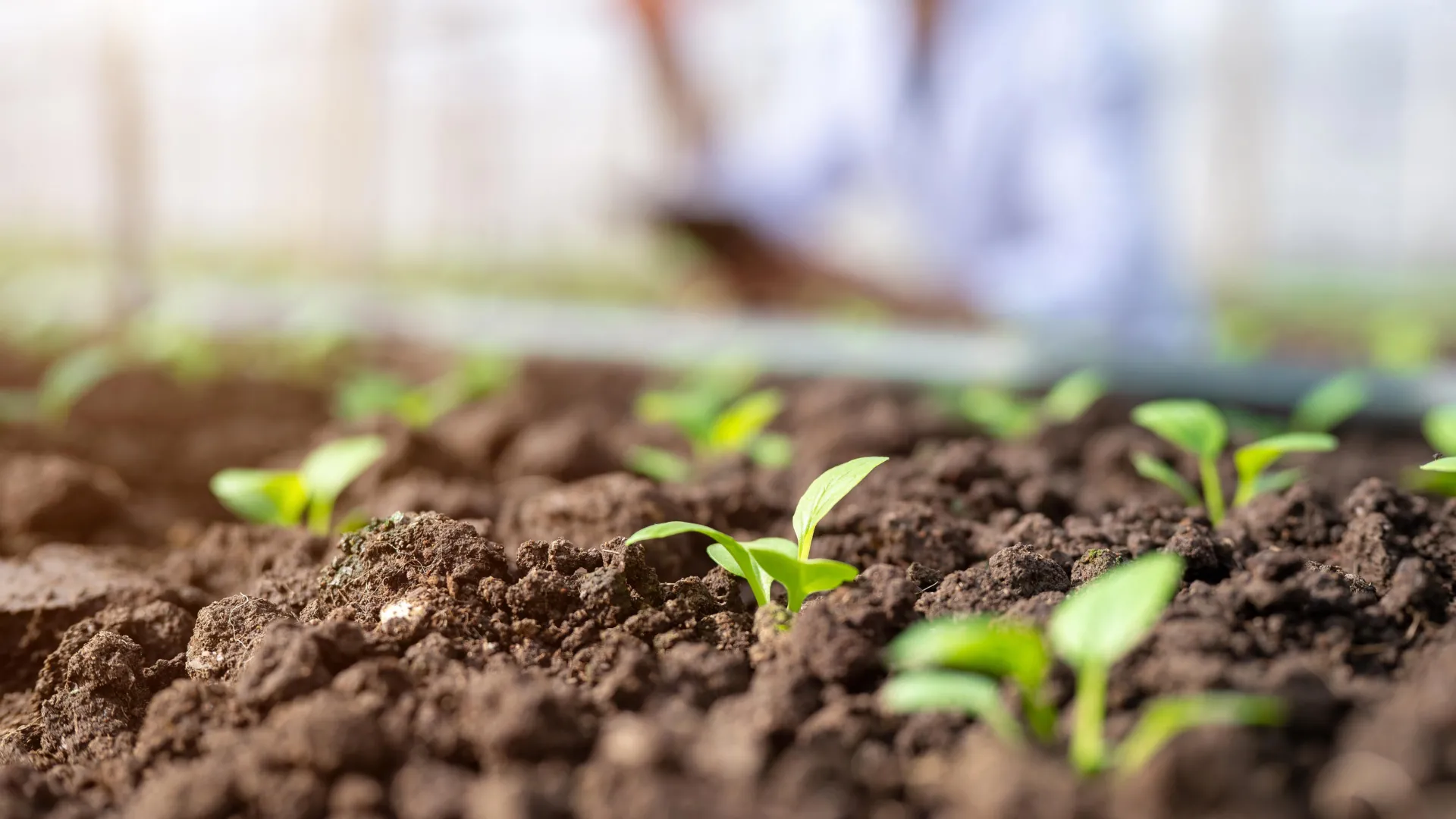
New soil test could reveal how soil microbes help feed plants
Scientists have developed a simpler and cheaper way to measure a type of phosphorus in soil linked to microbes, which could improve understanding of how plants get nutrients and help make farming more sustainable. The method focuses on DNA-bound phosphorus, which is connected to living microorganisms in the soil. The technique was tested on various soil types and showed promise for better nutrient management.
Researchers created a more efficient way to measure DNA-bound phosphorus in soil, which is tied to microbes that help recycle nutrients. The method is cheaper and easier than previous ones, and it helps track how phosphorus moves through ecosystems.
Better understanding of phosphorus movement in soil can lead to more efficient use of fertilizers, reduce waste, and support sustainable farming practices. This is especially important as natural phosphorus reserves are limited.
The development offers a practical tool for scientists and farmers to work together on sustainable agriculture. It highlights the role of microbes in soil health and provides a clearer way to manage nutrients for long-term food production.
upbeatBytes summarizes in its own words and links to the original publisher — it doesn't host the article.