
What Is Social Resilience—and How Can You Foster It?
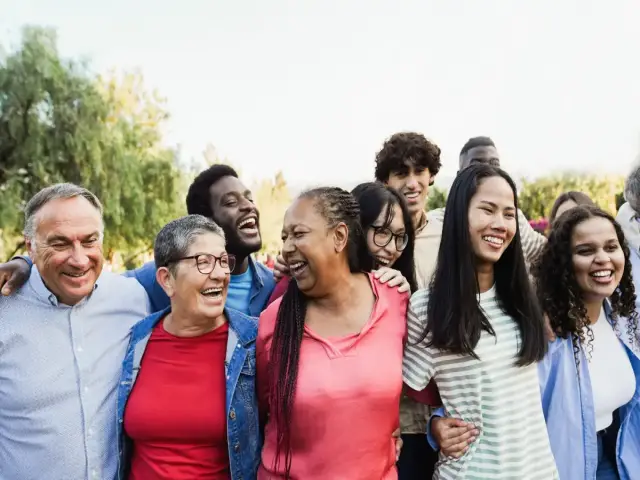
A study explores social resilience, highlighting how groups that collaborate and support each other during crises are more likely to survive and thrive compared to those that remain divided. Researchers suggest that human survival is linked to collective action, as our biological makeup drives us to respond to shared threats by working together. The findings emphasize the importance of empathy, cooperation, and shared responsibility in fostering resilience within communities. This insight encourages efforts to strengthen social bonds and collective problem-solving in challenging times.
Social resilience is the ability of a group to work together under stress, as shown by a historical scenario where one ship crew survived by cooperating while another failed due to conflict.
Understanding and building social resilience can improve teamwork, reduce conflict, and increase survival and well-being in challenging situations, from military units to communities.
This topic fits a constructive news site because it highlights how human connection and cooperation can lead to better outcomes, offering practical insights for fostering resilience in everyday life.
upbeatBytes summarizes in its own words and links to the original publisher — it doesn't host the article.