
A new process turns plastic waste into gasoline and diesel fuel
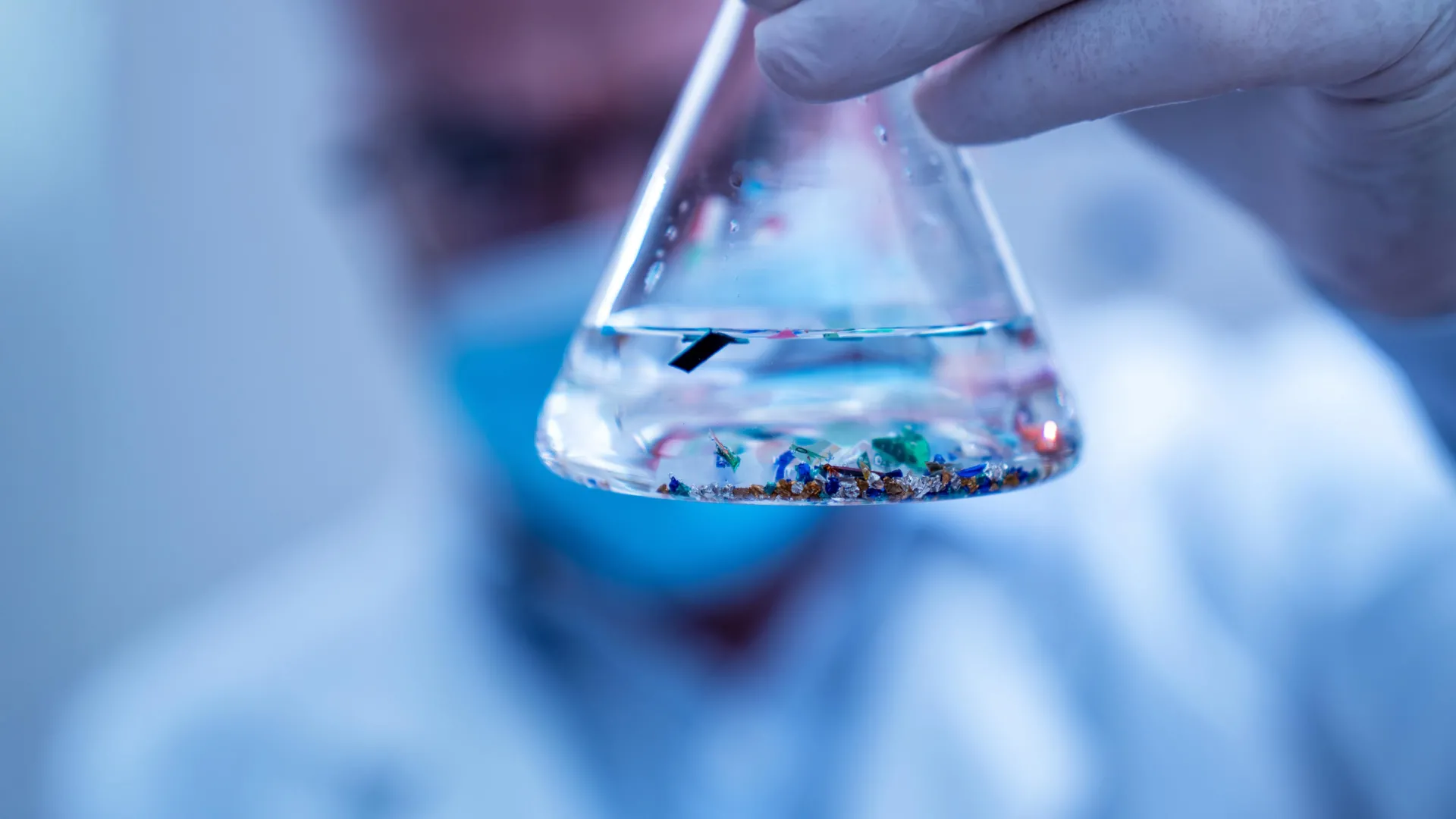
Scientists at Oak Ridge National Laboratory have created a new method to turn polyethylene plastic waste into gasoline and diesel fuel. The process uses inexpensive aluminum-based molten salts to break down plastic into smaller hydrocarbons, achieving a 60% gasoline yield under mild conditions. The technology could help reduce plastic waste and support energy security if scaled up.
Researchers developed a method to convert polyethylene into fuel using molten salts, avoiding expensive materials and high temperatures. The process splits plastic molecules into smaller hydrocarbons, producing gasoline and diesel-like fuels.
This could offer a practical way to manage plastic waste and create usable fuels, potentially reducing environmental harm and supporting energy independence.
The process shows a promising, low-cost solution to a global problem, offering a constructive approach to recycling and energy production.
upbeatBytes summarizes in its own words and links to the original publisher — it doesn't host the article.