
Making a Copper-Oxide Photodetector from Scratch
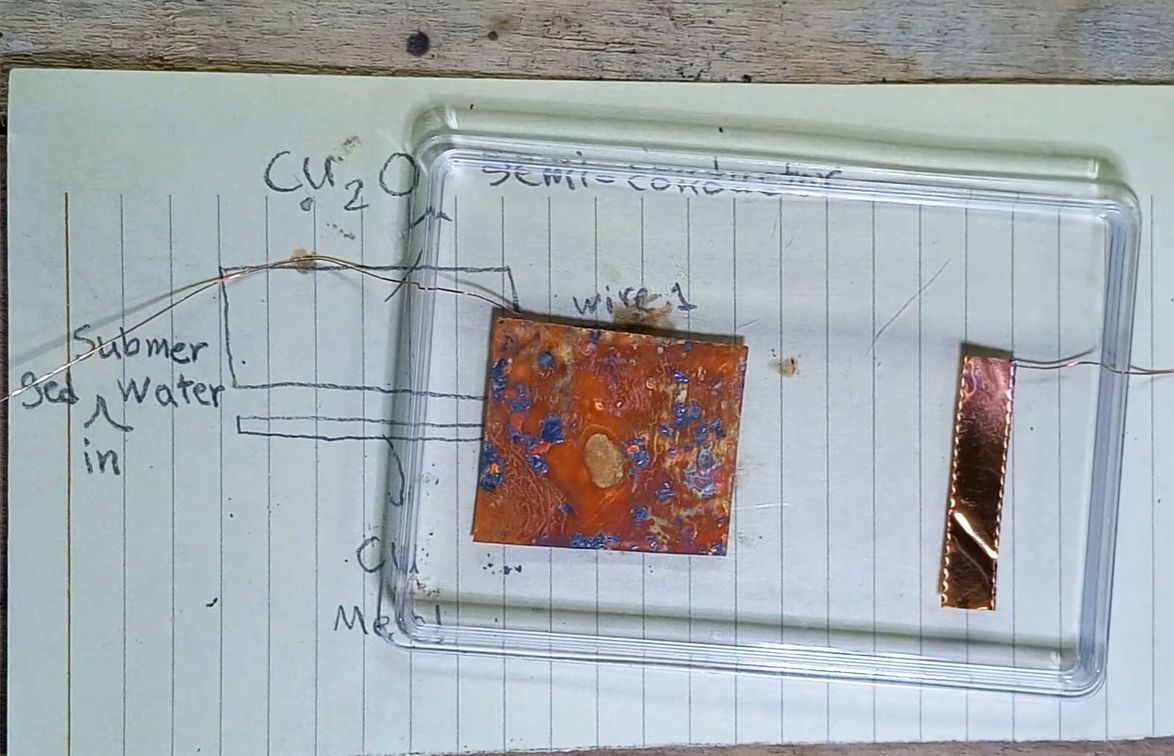
A person made a photodetector using copper and heat, creating a simple device that can detect light. The process involves heating copper to form a copper oxide layer, which acts as a semiconductor. This method shows how basic materials can be used for scientific experiments.
Someone created a photodetector at home by heating copper to form a copper oxide layer, which can detect light. The device works with simple materials and a heat source.
This shows that complex scientific tools can be made with basic materials, encouraging hands-on learning and experimentation. It also highlights the potential of copper oxide in technology.
The story demonstrates how accessible science can be, inspiring people to explore and create with everyday items, promoting curiosity and innovation.
upbeatBytes summarizes in its own words and links to the original publisher — it doesn't host the article.