
Writing an ESP32 Bluetooth Printer Driver In Two Acts
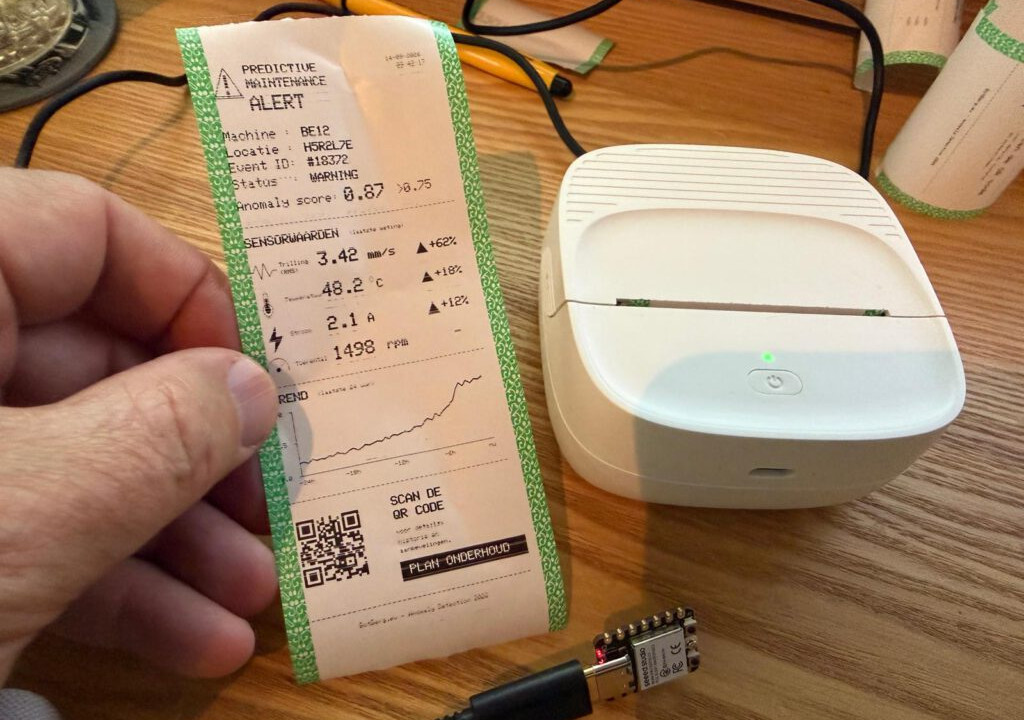
A developer reverse engineered a Bluetooth thermal printer's communication protocol to control it with an ESP32 microcontroller. He used Python to test and understand the printer's Bluetooth Low Energy services, then translated the findings into C++ code for the ESP32. The project shows how open-source approaches can bypass proprietary software limitations.
A developer used Python and Bluetooth Low Energy tools to figure out how to control a thermal printer with an ESP32 microcontroller, bypassing the need for the manufacturer's app. He then wrote C++ code to make it work with the microcontroller.
This project demonstrates how open-source methods can enable greater control and flexibility with consumer devices, allowing users to customize and integrate hardware without relying on closed systems.
The story highlights problem-solving and technical creativity, showing how individuals can take control of technology and contribute to community-driven solutions. It reflects the spirit of open-source innovation and DIY engineering.
upbeatBytes summarizes in its own words and links to the original publisher — it doesn't host the article.