
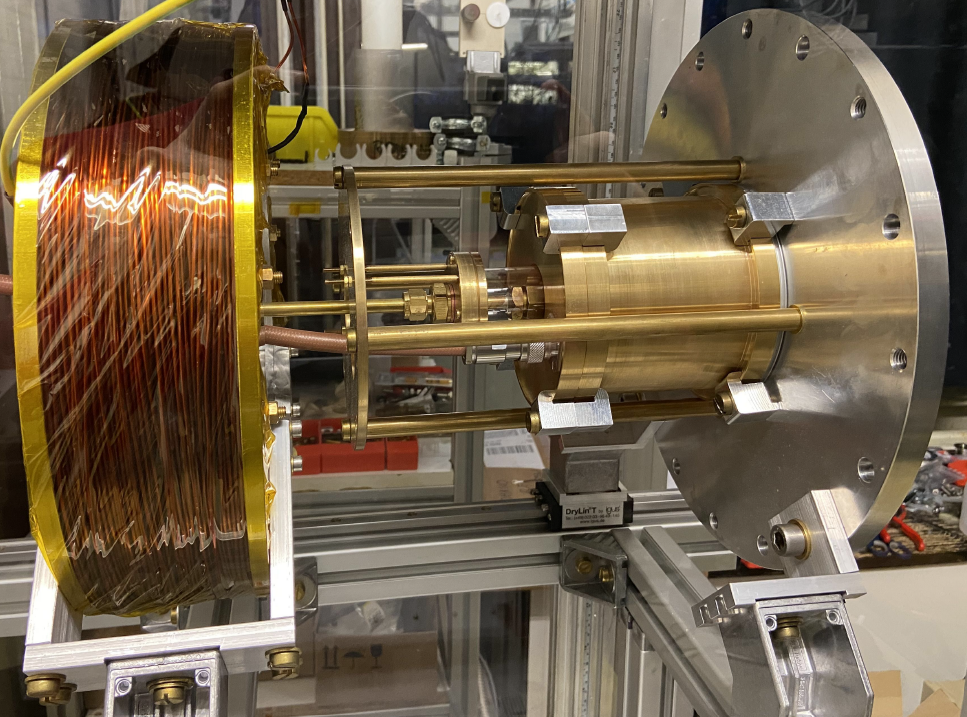
A New Design For A Plasma Engine Fuels On Only Thin Air
A researcher developed a new plasma engine that uses air molecules from very low Earth orbit as fuel, potentially allowing satellites to stay in orbit without traditional propellants. The engine uses a specialized intake system and a high-efficiency design to function in challenging atmospheric conditions. The system could change how satellites operate in low orbits by reducing reliance on expensive gases.
A researcher created a plasma engine that uses atmospheric air as fuel for satellites in very low Earth orbit, avoiding the need for traditional propellants. The engine uses a specialized intake and a high-efficiency design to function in the thin, variable atmosphere.
This technology could make satellite operations in low orbits more sustainable and cost-effective, reducing the need for expensive propellants and improving long-term mission viability. It also addresses challenges like atmospheric drag and the need for continuous propulsion.
The innovation shows how scientific research can solve practical problems, offering a sustainable solution that benefits space exploration and satellite technology. It highlights the potential for new, efficient systems that work with natural conditions rather than against them.
upbeatBytes summarizes in its own words and links to the original publisher — it doesn't host the article.