
The universe has plenty of hydrogen. So why is star formation collapsing?
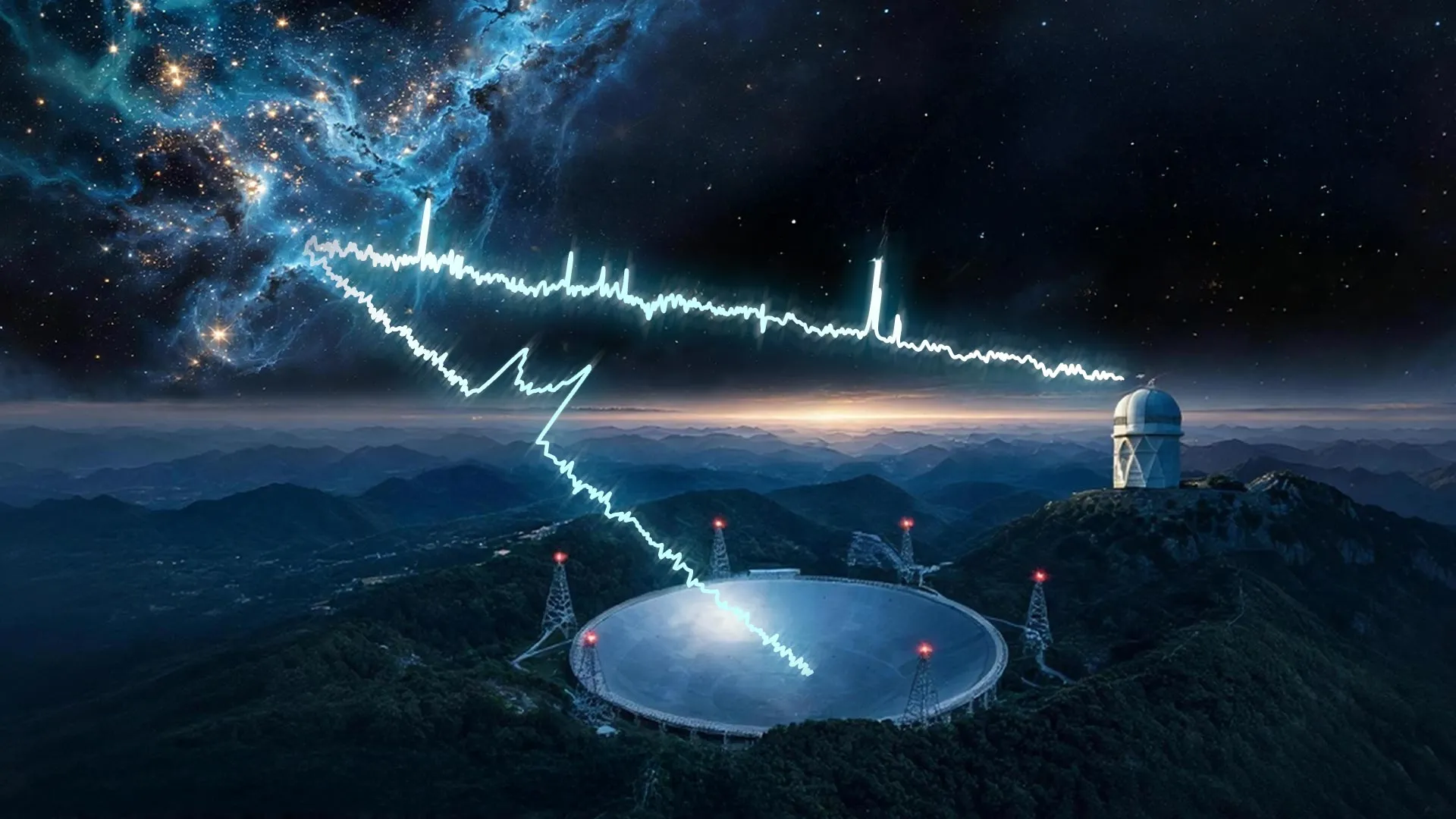
Astronomers found that star formation in the universe has dropped significantly over the past 4.5 billion years, but the amount of neutral hydrogen, a key star-forming material, has not decreased much. Researchers used data from China's FAST telescope and the DESI project to study this mismatch. The findings challenge previous assumptions about how star formation is affected by gas supply.
Astronomers discovered that star formation has dropped by more than half in the last 4.5 billion years, but the amount of neutral hydrogen, which is needed for stars to form, has only slightly decreased. They used data from two major projects to study this discrepancy.
This finding helps scientists better understand how galaxies evolve and why star formation is slowing down. It suggests that factors other than gas depletion may be affecting star formation, which could lead to new insights into the life cycles of galaxies.
The research shows how scientific collaboration and advanced technology can uncover complex cosmic patterns. It highlights the ongoing effort to understand the universe and the importance of persistent, methodical exploration.
upbeatBytes summarizes in its own words and links to the original publisher — it doesn't host the article.