
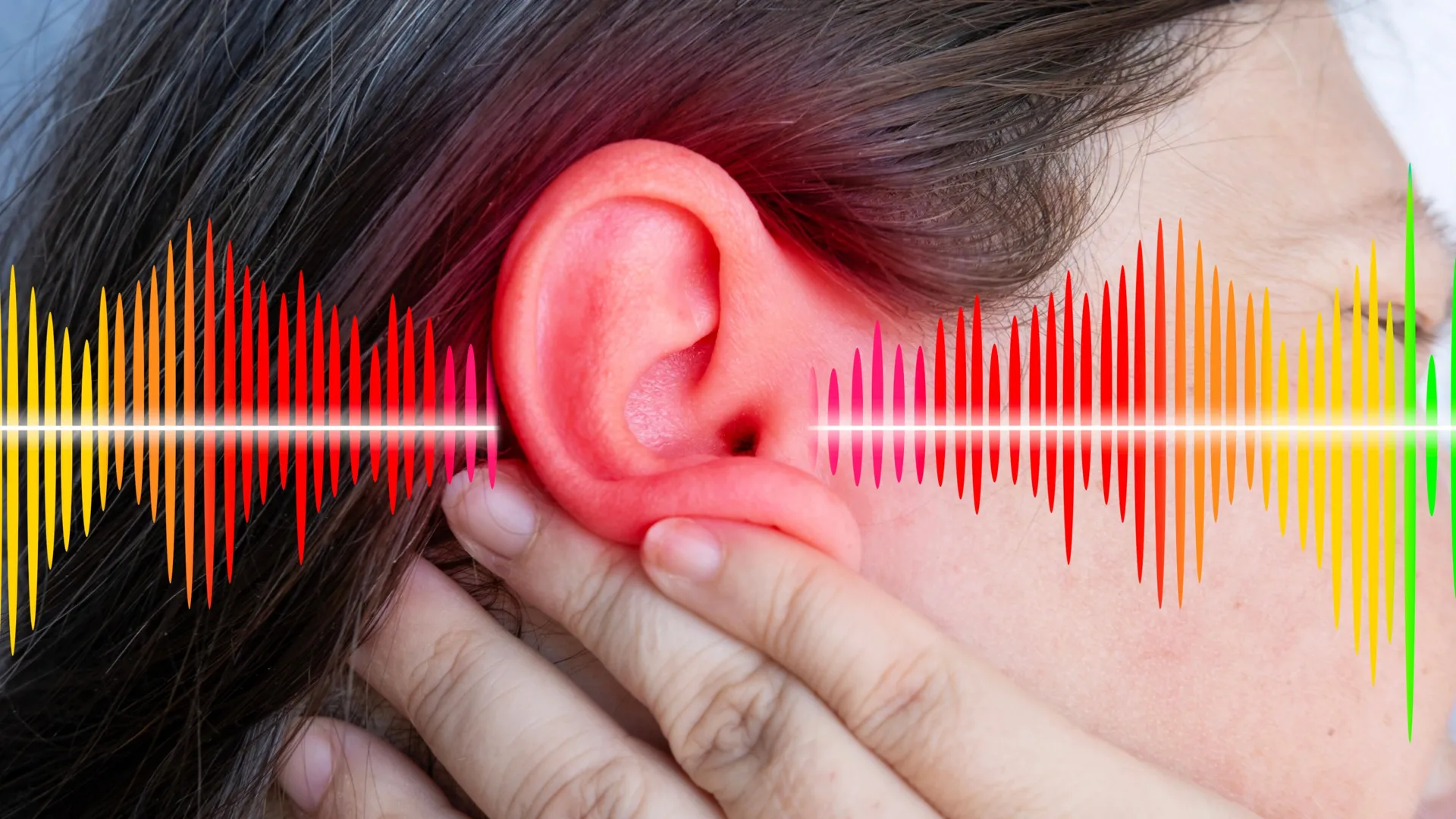
The brain’s “feel good” chemical may be secretly fueling tinnitus
New research suggests that serotonin, a brain chemical linked to mood regulation, may contribute to tinnitus by activating a specific brain circuit connected to hearing. Scientists used light-based brain stimulation in mice to identify this link, showing that increasing serotonin levels can worsen tinnitus-like behaviors. The findings may help explain why some people experience increased tinnitus while taking antidepressants that affect serotonin levels. This discovery could lead to better treatment strategies for managing tinnitus alongside mental health conditions.
Scientists found that serotonin, a brain chemical linked to mood, may worsen tinnitus, the ringing in the ears that affects millions.
This discovery could help doctors better manage tinnitus in patients taking antidepressants that increase serotonin levels.
The research offers hope for more personalized treatments and highlights the importance of listening to patients' experiences with medication side effects.
upbeatBytes summarizes in its own words and links to the original publisher — it doesn't host the article.