
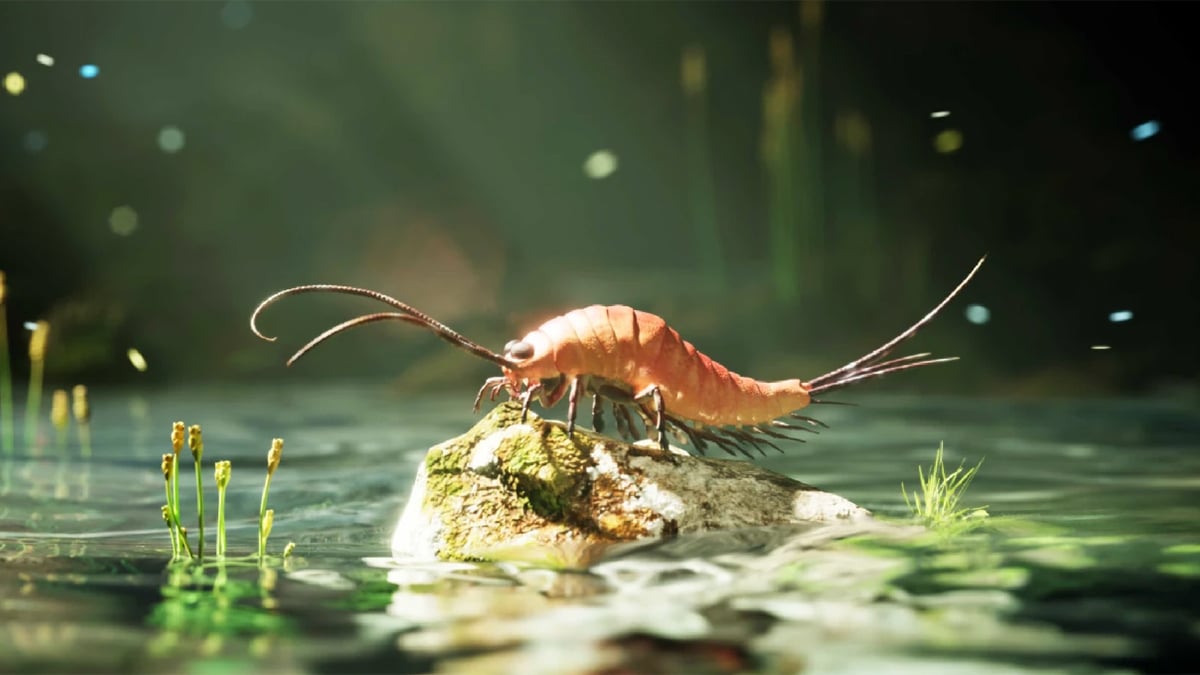
Bizarre Fossil Turns Out to Be a 24-Legged Insect Science Somehow Missed
A 324-million-year-old fossil previously thought to be a juvenile crustacean has been reclassified as a new species of insect with 24 legs. The discovery helps explain how insects transitioned from water to land. Scientists used new imaging techniques to reveal the fossil's true identity and characteristics.
A fossil found in Texas was reclassified as a 24-legged insect, not a crustacean, after new analysis showed it belonged to a new species. The findings suggest early insects may have lived in both water and land environments.
The discovery fills a gap in the evolutionary history of insects and provides new insights into how they adapted to life on land. It helps scientists better understand the transition from aquatic to terrestrial life.
The story highlights the ongoing process of scientific discovery and how new techniques can change long-held assumptions. It shows how curiosity and careful research can uncover important truths about the natural world.
upbeatBytes summarizes in its own words and links to the original publisher — it doesn't host the article.