
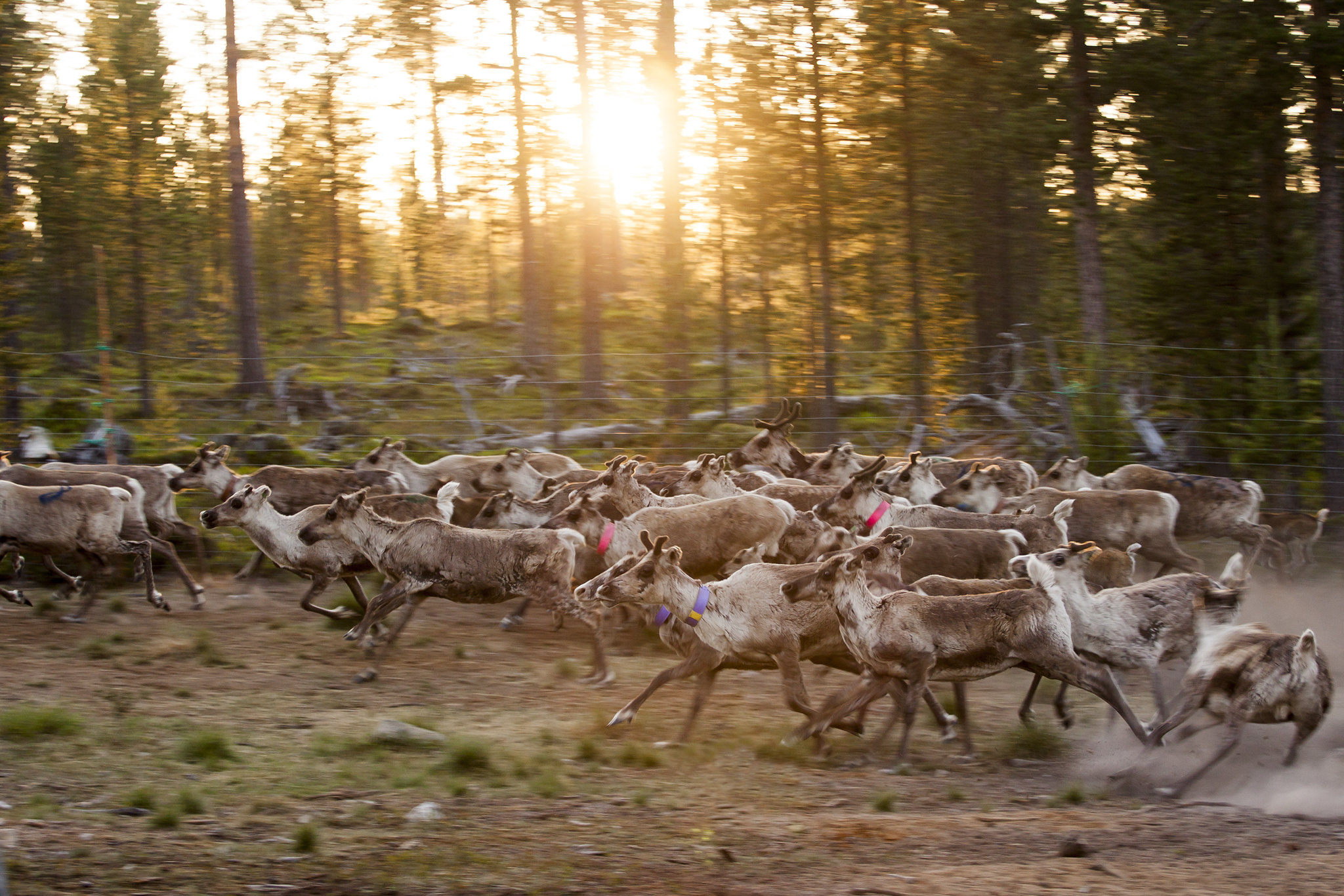
Sacred places & living lands: How Indigenous Sámi peoples steward biodiversity (analysis)
A new analysis highlights how the Sámi people of northern Scandinavia have preserved biodiversity through their traditional stewardship of sacred natural sites, which often show higher biodiversity and more intact ecosystems than surrounding areas. The study suggests that cultural practices, spiritual beliefs, and long-term relationships with the land contribute to environmental sustainability. Similar examples of conservation through religious and Indigenous traditions are found globally, indicating that such approaches can be effective in protecting ecosystems. This insight supports the value of integrating traditional knowledge into modern conservation efforts.
The Sámi people of northern Scandinavia have long protected biodiversity through sacred sites and traditional land use, which often preserve more intact ecosystems than surrounding areas.
This highlights how Indigenous knowledge and spiritual practices can be effective, long-term strategies for conservation, offering alternatives to modern environmental policies.
It fits a constructive news site by showing how respecting Indigenous stewardship can lead to sustainable solutions for protecting nature and fostering coexistence.
upbeatBytes summarizes in its own words and links to the original publisher — it doesn't host the article.