
How the Vagus Nerve Promotes Healthy Cognition via Acetylcholine Signaling
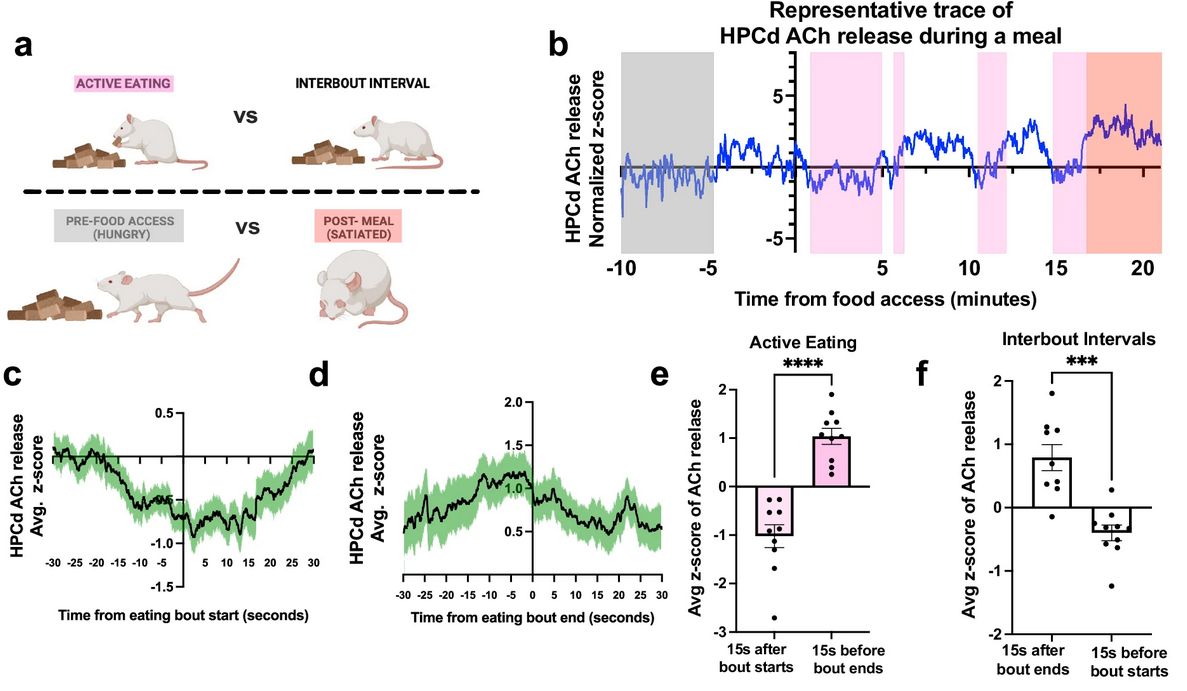
A study in rat models shows that the vagus nerve plays a key role in cognitive function by regulating acetylcholine release during eating, which is important for memory and attention. Impairment of this mechanism, linked to a high-fat, high-sugar diet, can lead to cognitive decline. The findings highlight the gut-brain connection and suggest potential avenues for addressing cognitive conditions like Alzheimer's and dementia.
Research shows the vagus nerve helps the brain use acetylcholine, a chemical important for memory and thinking, by sending signals from the gut during eating.
This finding links healthy eating and gut function to better brain health, offering new ways to understand and treat cognitive decline.
It highlights how the body's systems work together, offering hope for improving mental health through lifestyle and medical advances.
upbeatBytes summarizes in its own words and links to the original publisher — it doesn't host the article.