
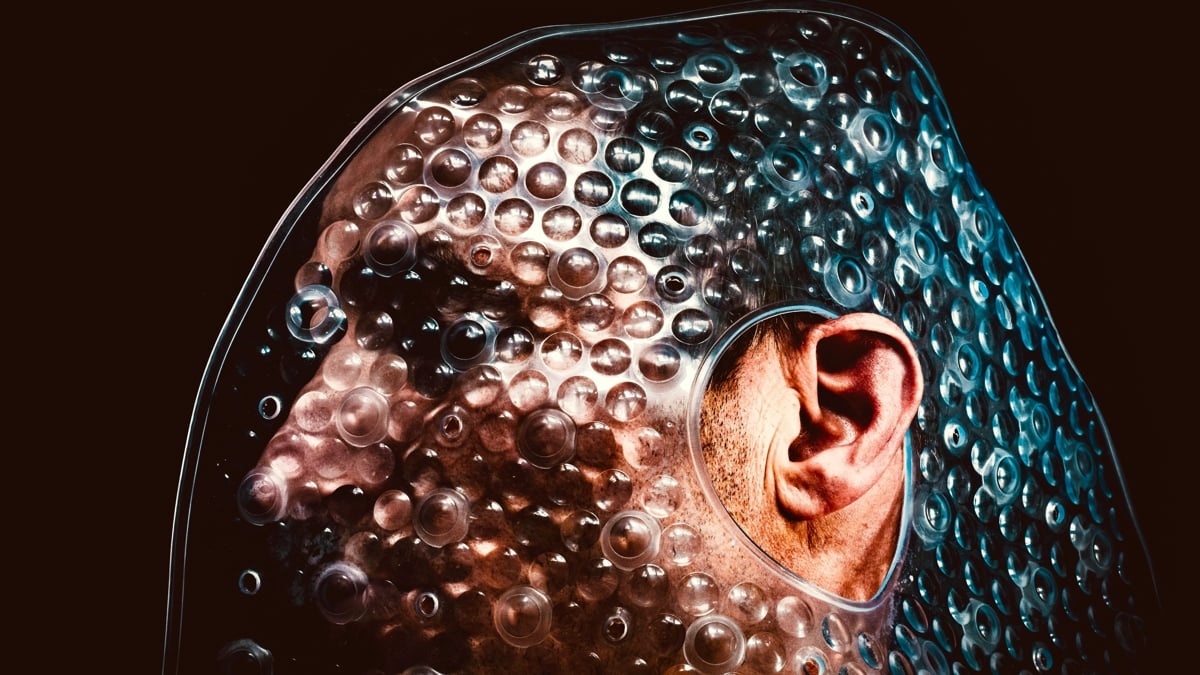
Humans Can Echolocate, And It Changes The Wiring of The Brain
A study found that humans can learn to echolocate with relatively short training, and this ability alters brain structure, increasing sound sensitivity in visual and auditory regions. Researchers observed similar brain changes in both blind and sighted participants, suggesting that the brain can adapt to new sensory inputs regardless of prior vision. The findings indicate that echolocation training can lead to significant neural plasticity in adults, reinforcing the brain's capacity to rewire itself. Another study highlighted evolutionary parallels in dolphin and whale brains, showing how echolocation has shaped auditory systems over millions of years.
Humans can learn to echolocate with short training, and this ability changes the brain's structure, even in sighted people.
This shows the brain's adaptability and could help develop new ways to assist people with visual impairments using sound-based navigation.
It highlights how human learning and brain plasticity can overcome limitations, offering hope and practical tools for improving quality of life.
upbeatBytes summarizes in its own words and links to the original publisher — it doesn't host the article.