
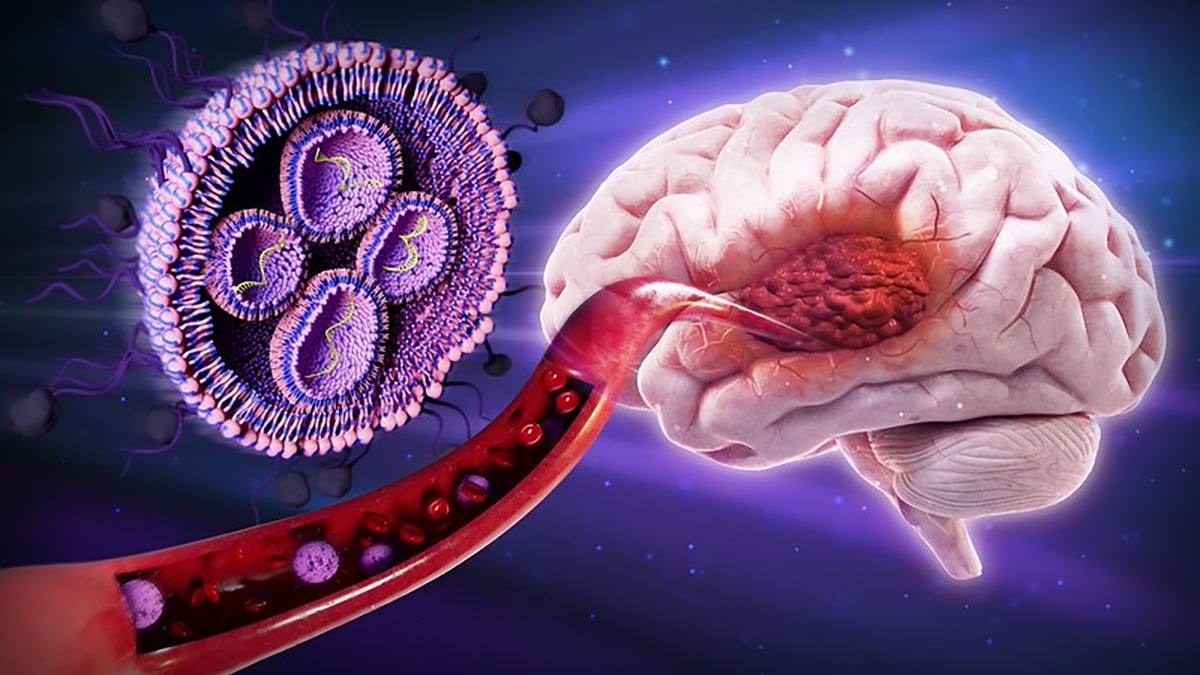
Sugar-Coated Nanoparticles Shrink Deadly Brain Tumors in Mice
Researchers developed sugar-coated nanoparticles that effectively cross the blood-brain barrier and target glioblastoma tumors in mice, leading to significant tumor shrinkage and extended survival times. The nanoparticles use mannose, which interacts with the GLUT1 transporter, allowing them to deliver tumor-suppressing mRNA specifically to cancer cells. The treatment showed no measurable toxicity in major organs and reduced tumor volume by over 95 percent in treated mice compared to untreated controls. This approach represents a promising new strategy for treating one of the most aggressive forms of brain cancer.
Scientists tested sugar-coated nanoparticles on mice with brain tumors, and the treatment significantly reduced tumor size and improved survival rates.
This approach could lead to new, less toxic treatments for glioblastoma, a particularly aggressive and hard-to-treat brain cancer.
The research highlights a creative, targeted method for drug delivery that may inspire future therapies with fewer side effects and better outcomes.
upbeatBytes summarizes in its own words and links to the original publisher — it doesn't host the article.