
MIT engineers find a precise way to grow artificial blood vessels
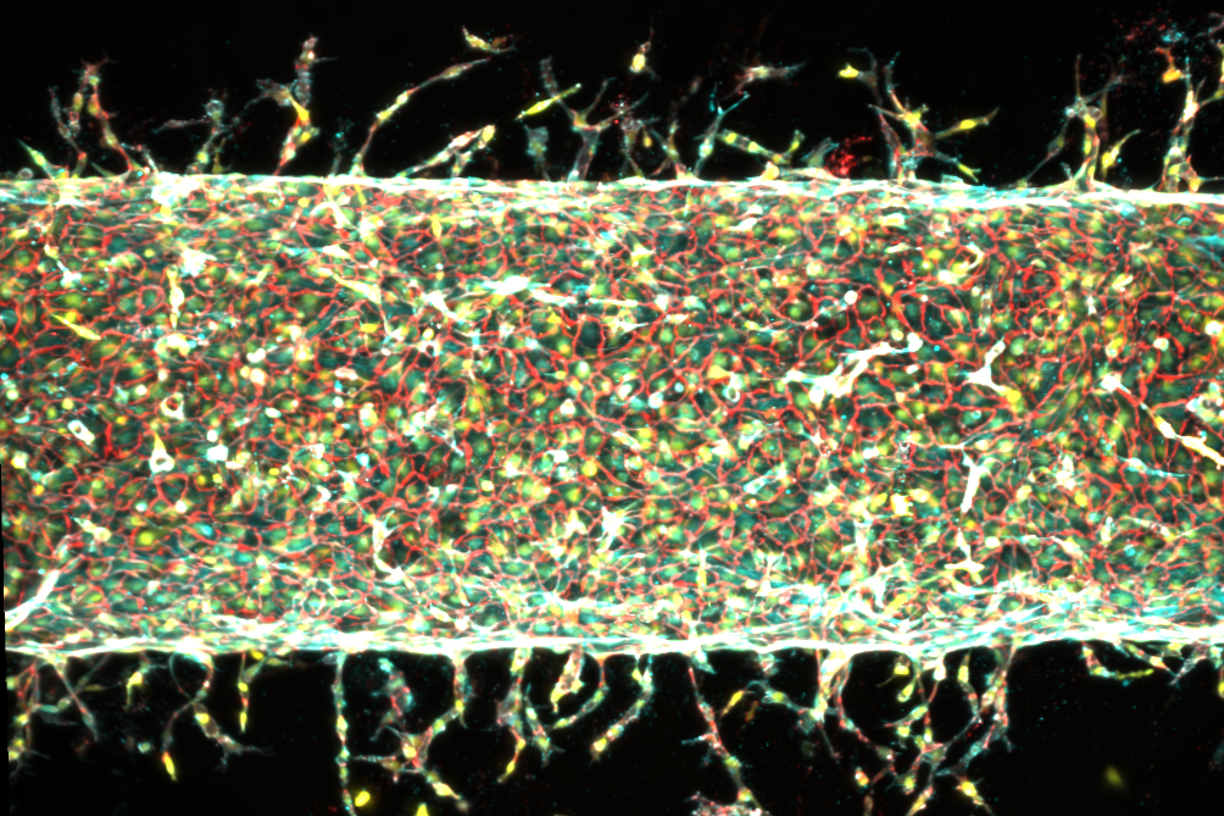
MIT engineers have developed a method to precisely grow artificial blood vessels by mechanically stretching a "blood vessel on a chip," which encourages controlled sprouting of new capillaries. This technique involves embedding a central artery made of human endothelial cells in a gel with a magnet, and using external magnetic forces to apply controlled mechanical stimulation. The approach allows for the creation of finely detailed vascular networks, which are essential for the development of functional artificial tissues and organs. This advancement offers a promising step toward engineering complex, life-like tissues for medical applications.
MIT engineers have developed a method to grow artificial blood vessels by gently stretching a "blood vessel on a chip" made from human cells.
This breakthrough could help create functional artificial tissues and organs, which are needed for medical treatments and research.
It shows how precise engineering can solve complex biological challenges, offering hope for future medical innovations and healthier lives.
upbeatBytes summarizes in its own words and links to the original publisher — it doesn't host the article.